Acne · Pune
Acne in Pune's monsoon: why breakouts get worse in humid months
5 min read · Published 21 September 2026 · Updated 21 September 2026
Medically reviewed by Dr Shanvi Jadhav, Consultant Dermatologist
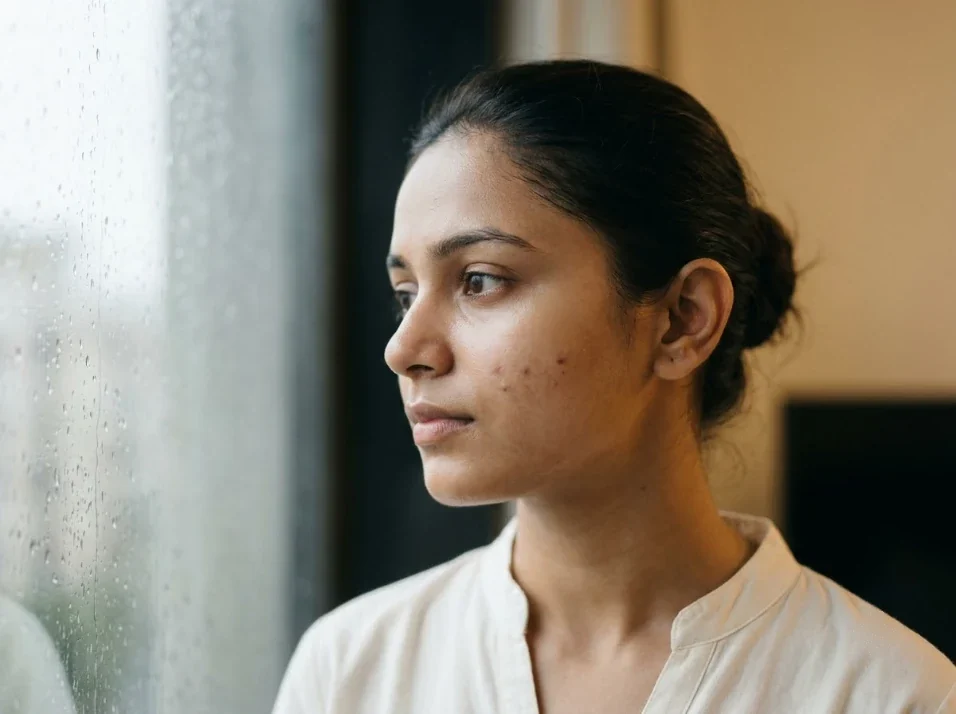
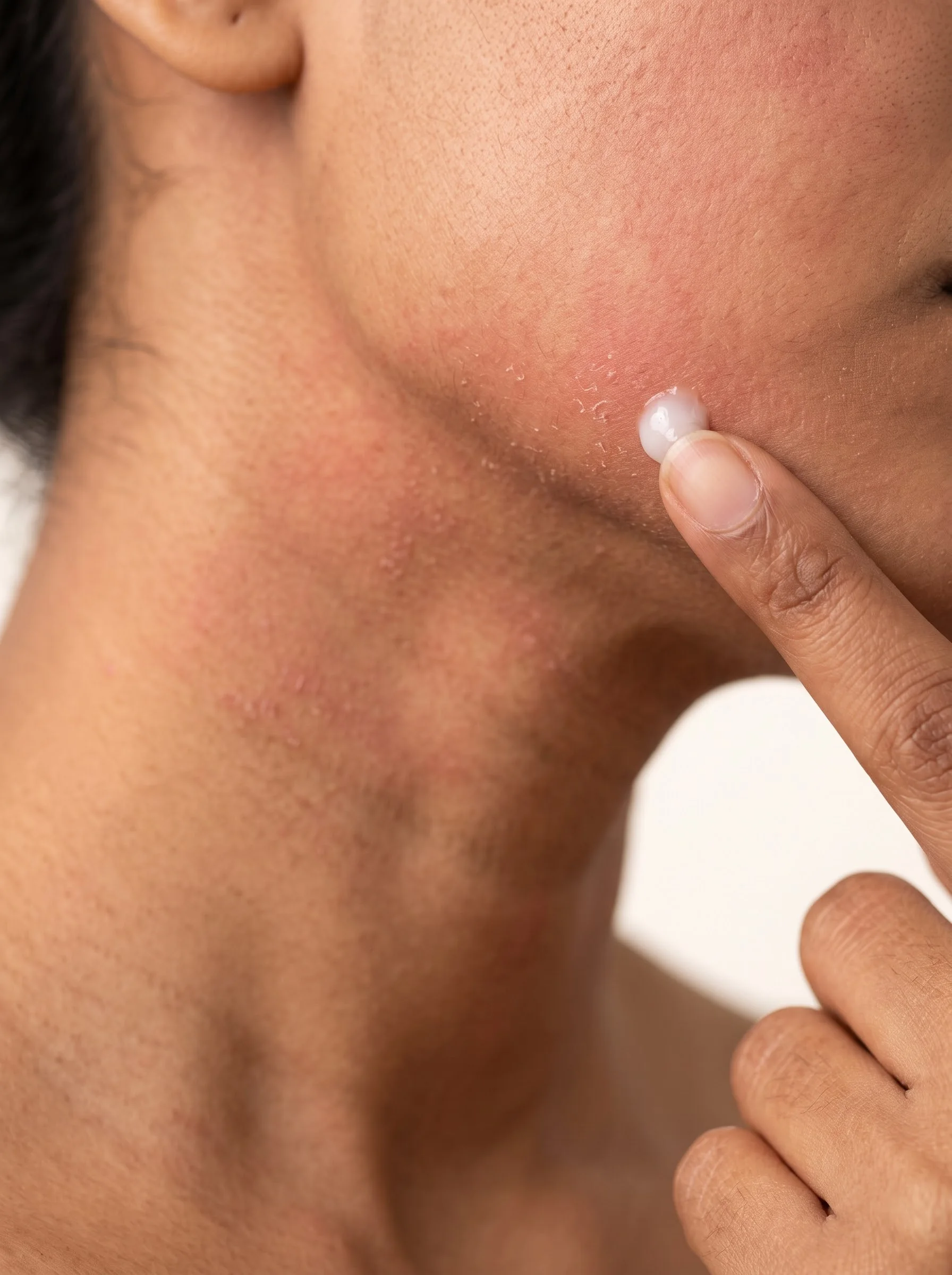
Many people in Pune notice their skin behaves differently once the monsoon arrives. Breakouts that were under control in summer return, and skin that was dry suddenly feels oily by mid-morning. This is not imagination, humid weather changes the environment your skin lives in.
What humidity does to acne-prone skin
In humid air, sweat evaporates slowly, so oil, sweat and dead skin cells stay on the surface longer. Pores block more easily, and the bacteria involved in acne have a warmer, wetter environment to grow in.
Fungal folliculitis, small, itchy, uniform bumps on the forehead, chest or back, is also more common in the monsoon and is often mistaken for acne. It needs a different treatment, which is one reason self-medication frequently fails at this time of year.
Pune-specific triggers
Two-wheeler commuting is a real factor here. A helmet lining that stays damp traps sweat against the forehead and hairline, and a chin strap does the same along the jaw. Washing or airing the lining regularly, and cleansing the face after a long ride, help more than most products.
Damp towels and pillowcases that never fully dry, heavy make-up over sweaty skin, and hair oils that migrate onto the forehead are the other common culprits.
What helps, and what makes it worse
A gentle cleanser twice a day, a light non-comedogenic moisturiser and a gel or fluid sunscreen suit most people in this weather. Scrubbing, harsh cleansers and layering several actives at once irritate the skin and often increase breakouts.
If pimples are painful, deep or leaving marks, or if they have not settled with a simple routine in a few weeks, that is the point to see a dermatologist rather than add another product.
How acne is treated at a dermatology clinic
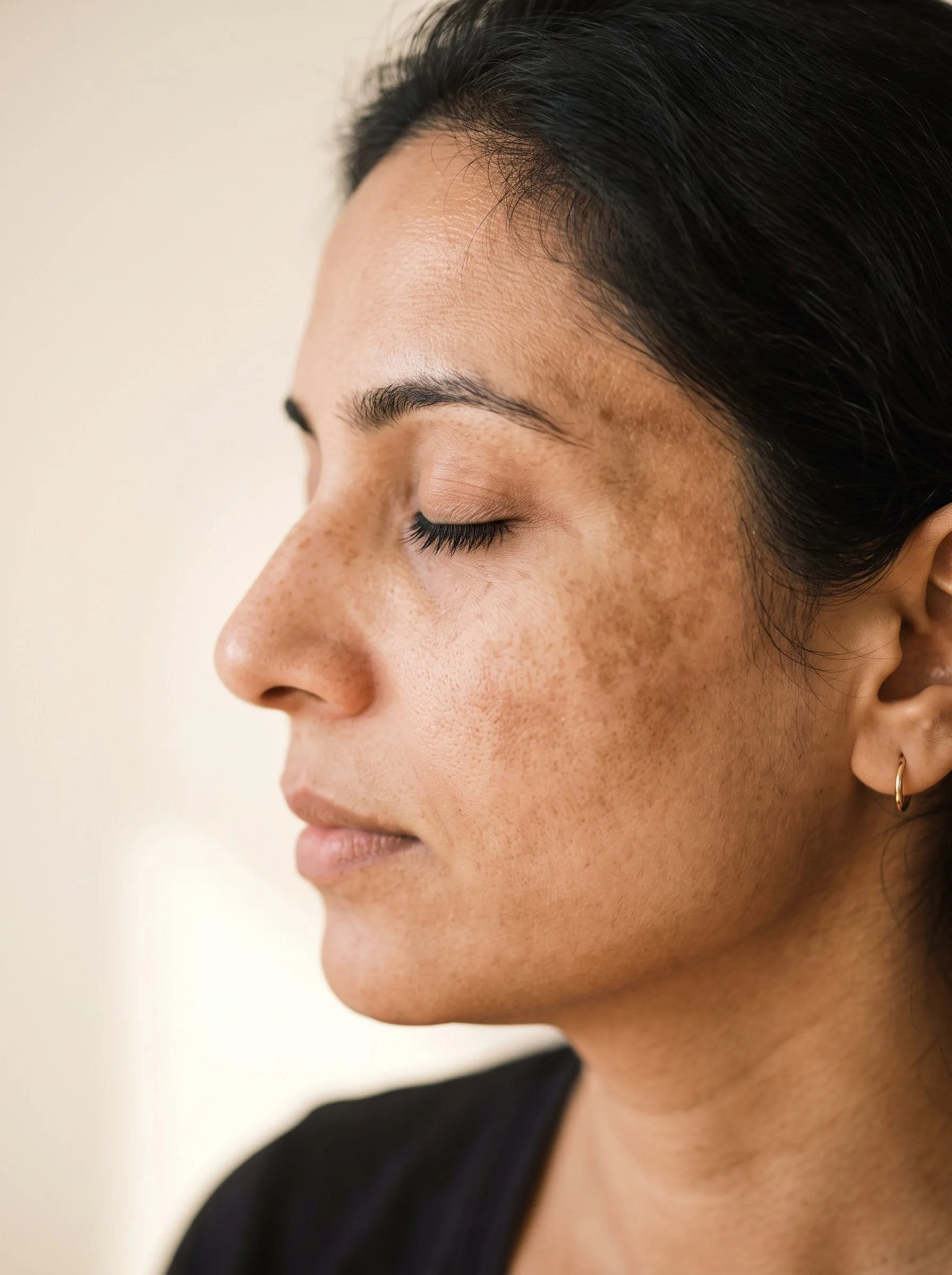
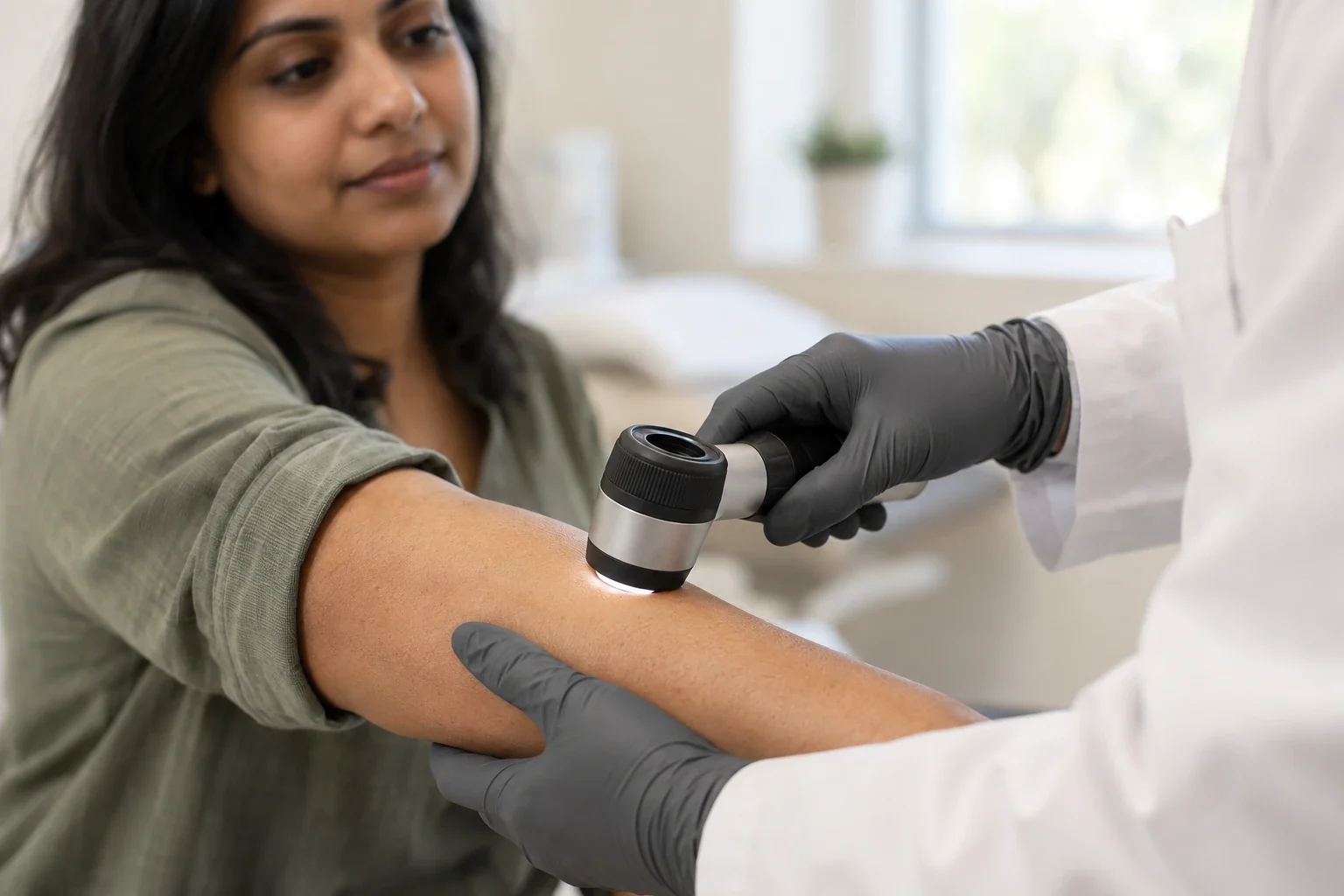
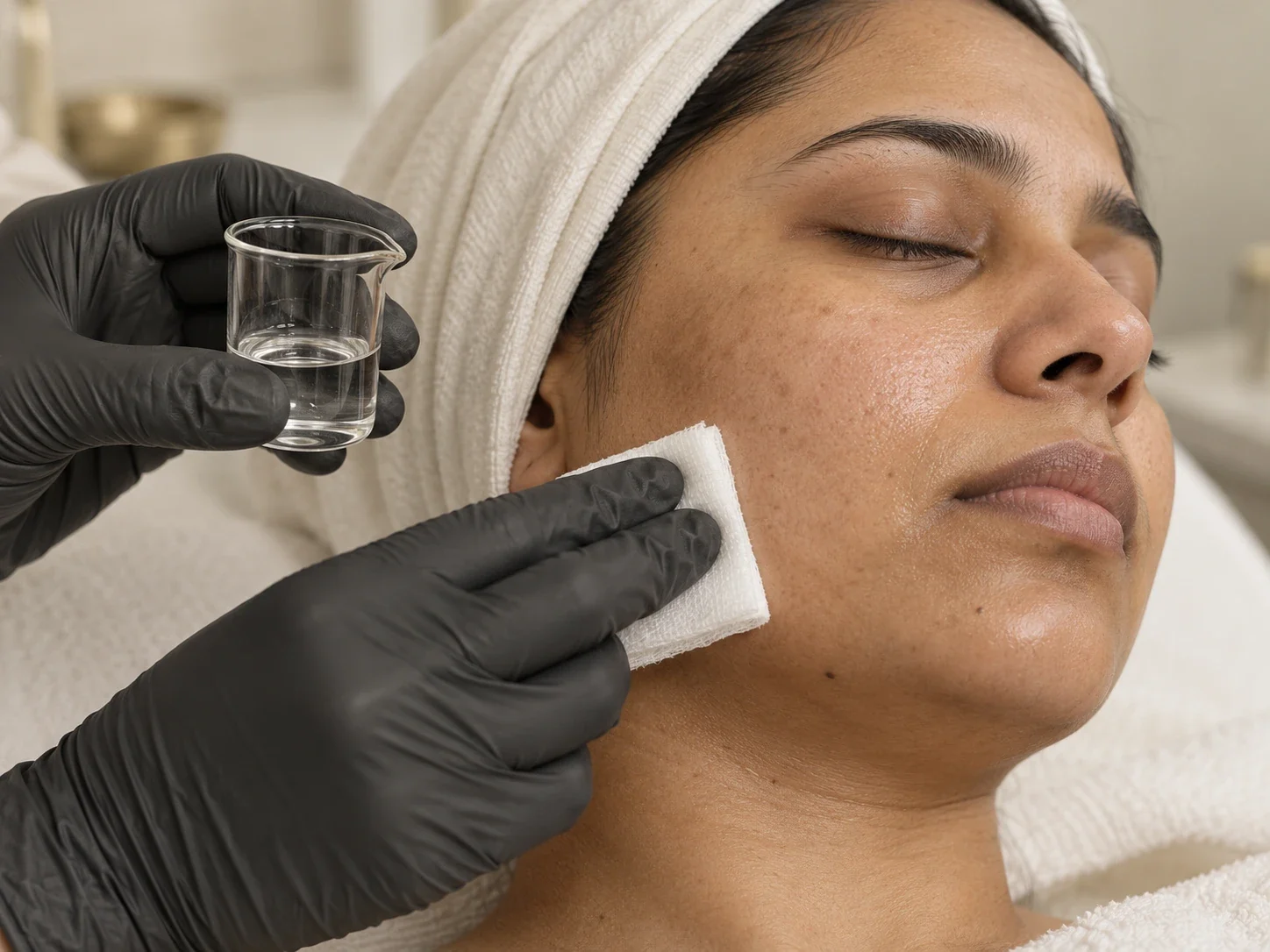
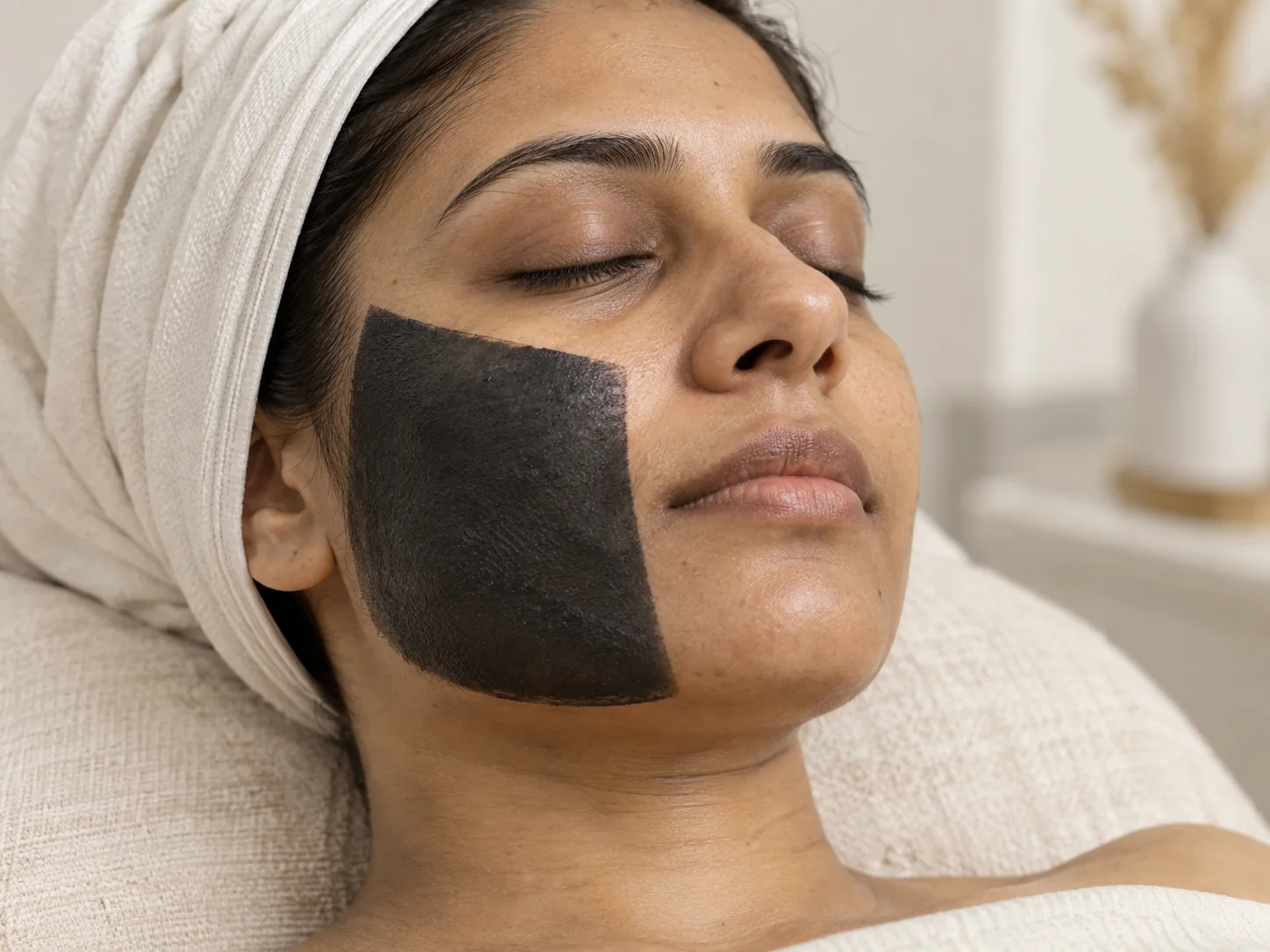
Treatment depends on the type of acne. Options can include prescription creams or tablets, comedone extraction, medical-grade peels and, for post-acne marks, laser-based treatments. A dermatologist will also check whether what looks like acne is actually fungal, which changes the plan entirely.
At Own Skin in Camp, Pune, acne plans are personalised after examination and reviewed as the seasons change.
Frequently asked questions
- Why does my acne get worse in the rainy season?
- Humidity slows sweat evaporation, so oil and dead skin stay on the surface longer and block pores more easily. Fungal folliculitis also becomes more common and can mimic acne.
- Should I stop moisturising in the monsoon?
- No. Switch to a lighter, non-comedogenic moisturiser rather than stopping altogether, dehydrated skin can produce more oil.
- Can helmets cause acne?
- A damp helmet lining traps sweat and friction against the forehead and jaw, which can trigger or worsen breakouts. Keep the lining clean and dry, and cleanse after riding.
Related treatments at Own Skin
This article is general information and does not replace a consultation. Sources and references: shared on request at the clinic.