
Concern · Hair Fall & Thinning
Expert Care for Hair Loss
Identify the cause of hair fall and restore scalp health.
Own Skin Dermatology & Advanced Aesthetics · Camp, Pune
- Diagnosis before treatment, always
- Plans built for Indian skin and hair types
- Camp, Pune · 11:00 AM – 07:00 PM
Understanding the concern
What is hair loss?
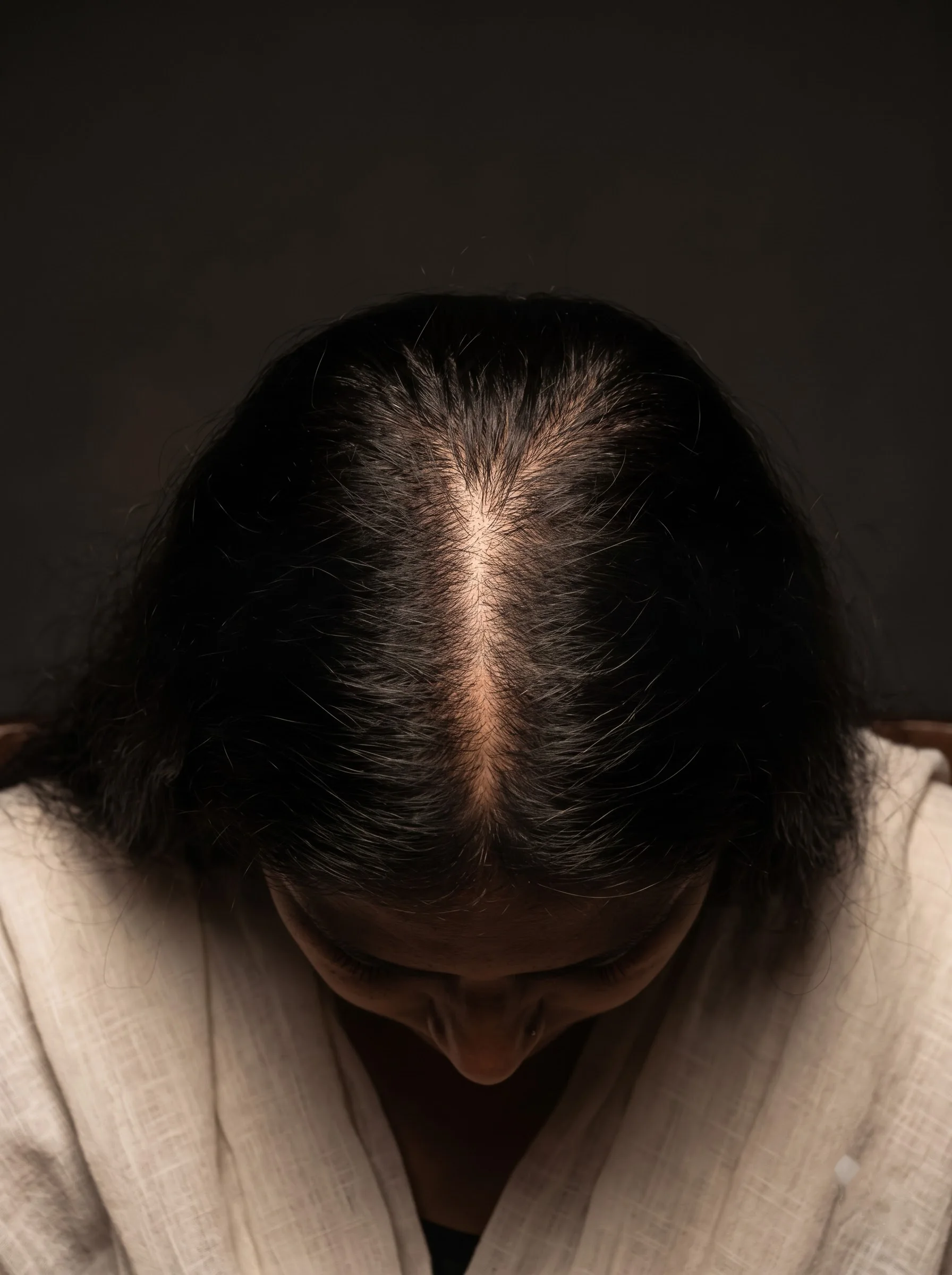
Hair loss refers to excessive shedding, thinning or reduced hair density on the scalp. It is normal to lose around 50 to 100 hairs a day as part of the hair growth cycle; noticeable thinning or persistent shedding may indicate an underlying condition affecting the scalp or hair follicles.
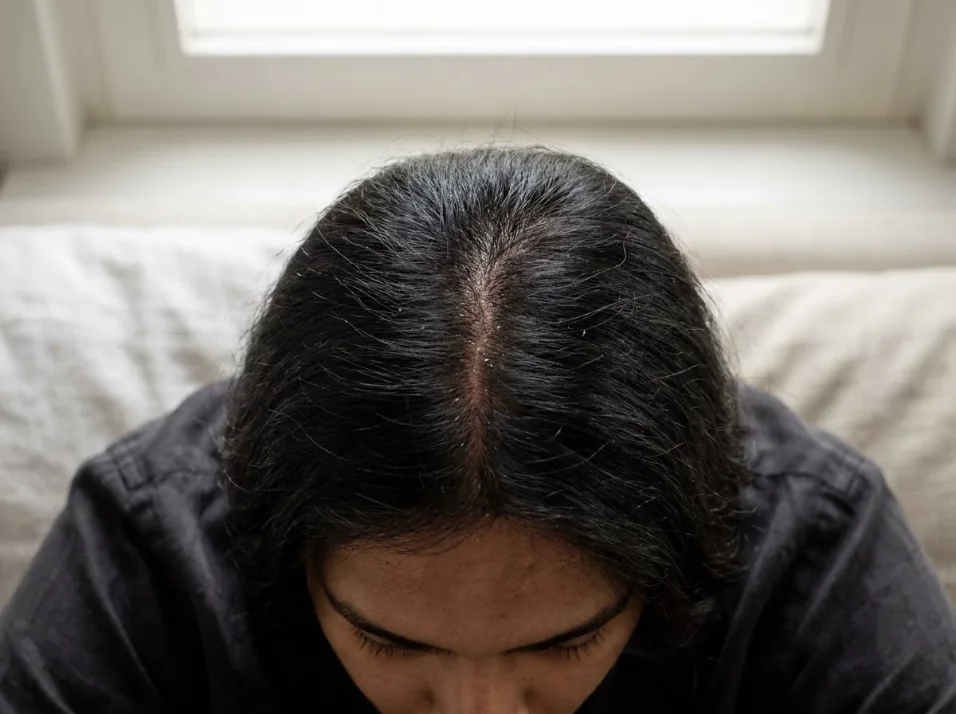
Hair fall is temporary shedding, often triggered by stress, seasonal change, illness, hormonal fluctuations or nutritional deficiencies, and usually reverses once the trigger improves. Hair loss is a reduction in density caused by weakening or damaged follicles, and may show as a widening parting, receding hairline or thinning at the crown or temples.
Because hair loss can have multiple causes, evaluation by a dermatologist is important to identify the underlying reason. Early consultation can often help manage hair loss more effectively and support healthier growth over time.
Possible causes
Causes of hair fall & thinning
Hair loss may develop due to a combination of genetic, hormonal, medical and lifestyle factors:
Identifying the underlying cause is essential because different types of hair loss require different treatment approaches.
- 01Genetic predisposition (pattern hair loss)
- 02Hormonal changes
- 03Stress and lifestyle factors
- 04Nutritional deficiencies
- 05Scalp conditions or infections
- 06Certain medical conditions
- 07Hair styling practices that strain the scalp
Types
Types of hair loss
- 01
Pattern hair loss (androgenetic alopecia)
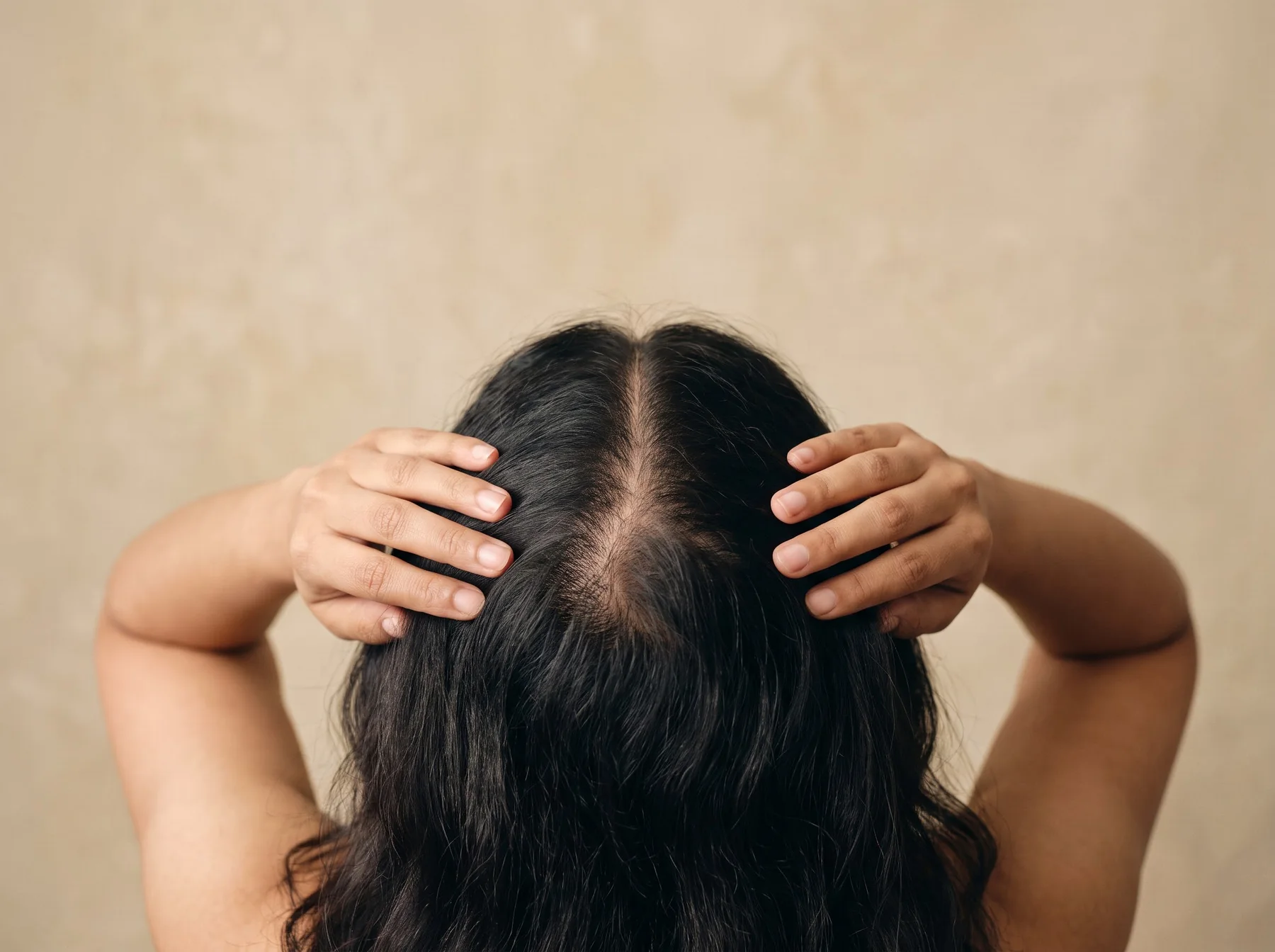
The most common form. Men may develop a receding hairline or crown thinning; women often experience a widening parting or overall thinning.
- 02
Telogen effluvium
Temporary increased shedding, often triggered by stress, illness, hormonal changes or nutritional imbalance.
- 03
Alopecia areata
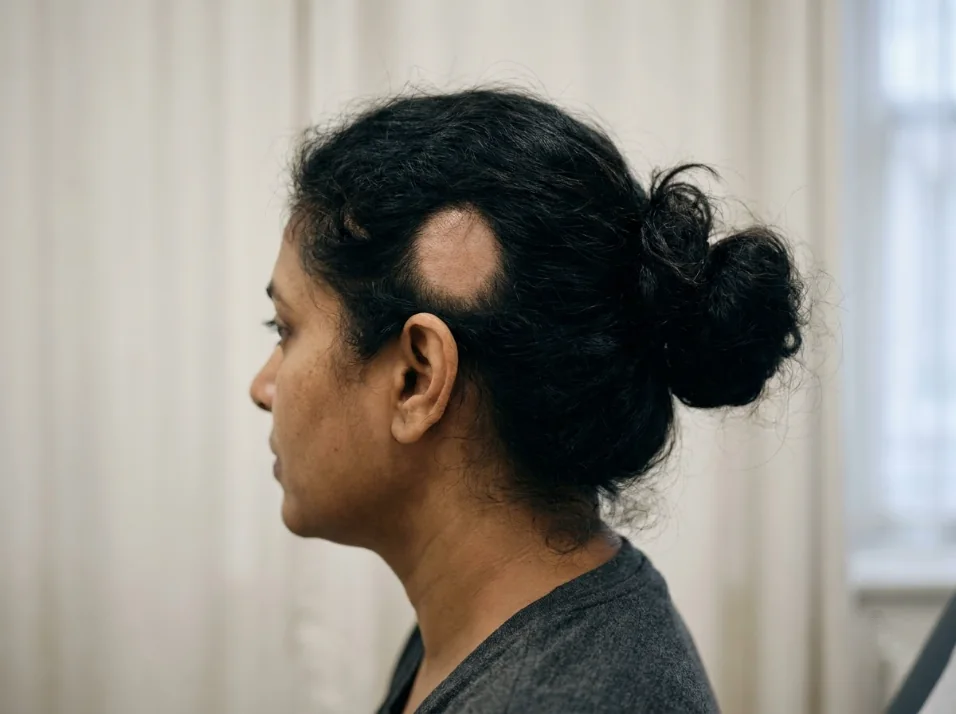
An autoimmune condition causing sudden round patches of hair loss on the scalp or other hair-bearing areas.
- 04
Traction hair loss
Caused by tight hairstyles or repeated tension on follicles, such as tight ponytails, braids or extensions.
- 05
Scalp-related hair loss
Inflammation, dandruff, fungal infections or other scalp conditions can contribute to shedding or thinning.
Treatment options
Solutions at Own Skin
Dermatologist-led solutions tailored to your skin type, concern severity and underlying causes.
At Own Skin, every treatment plan is personalised after a detailed skin analysis to ensure safety and long-term results.
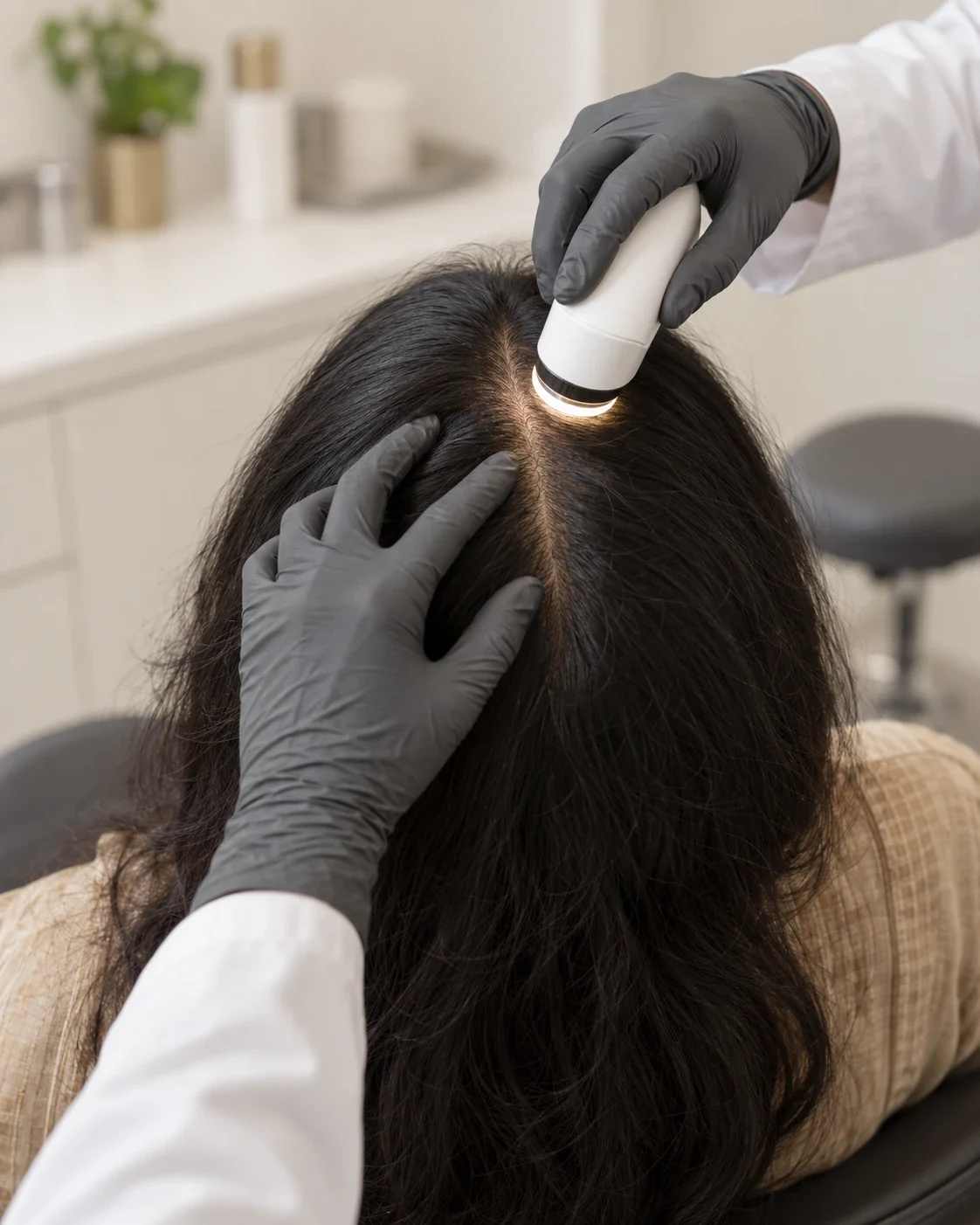
Hair Fall Assessment & Medical Therapy
Diagnosis first, then a plan you can maintain.
Learn more →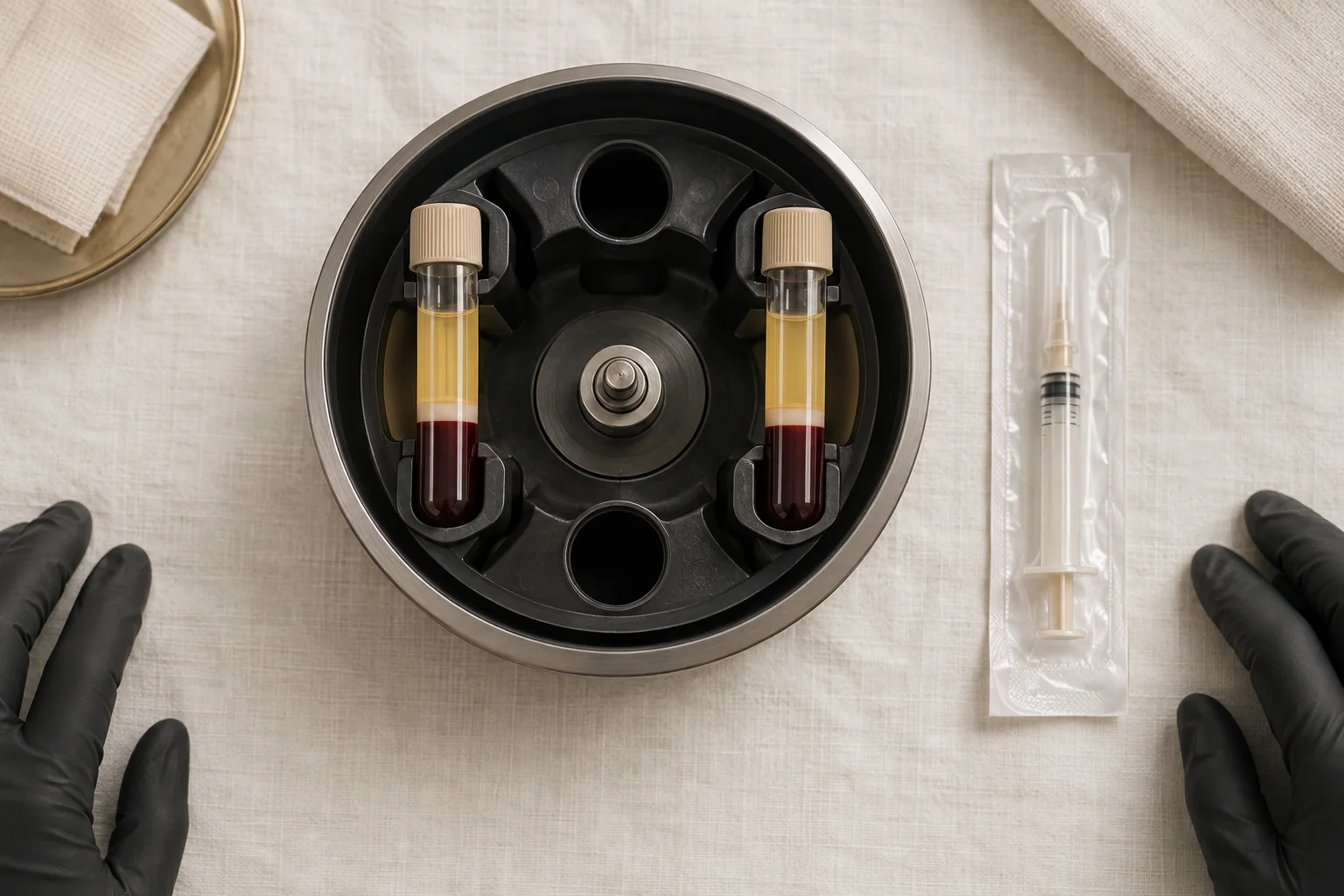
PRP (Platelet-Rich Plasma) for Hair Restoration
Autologous treatment used alongside a medical hair plan.
Learn more →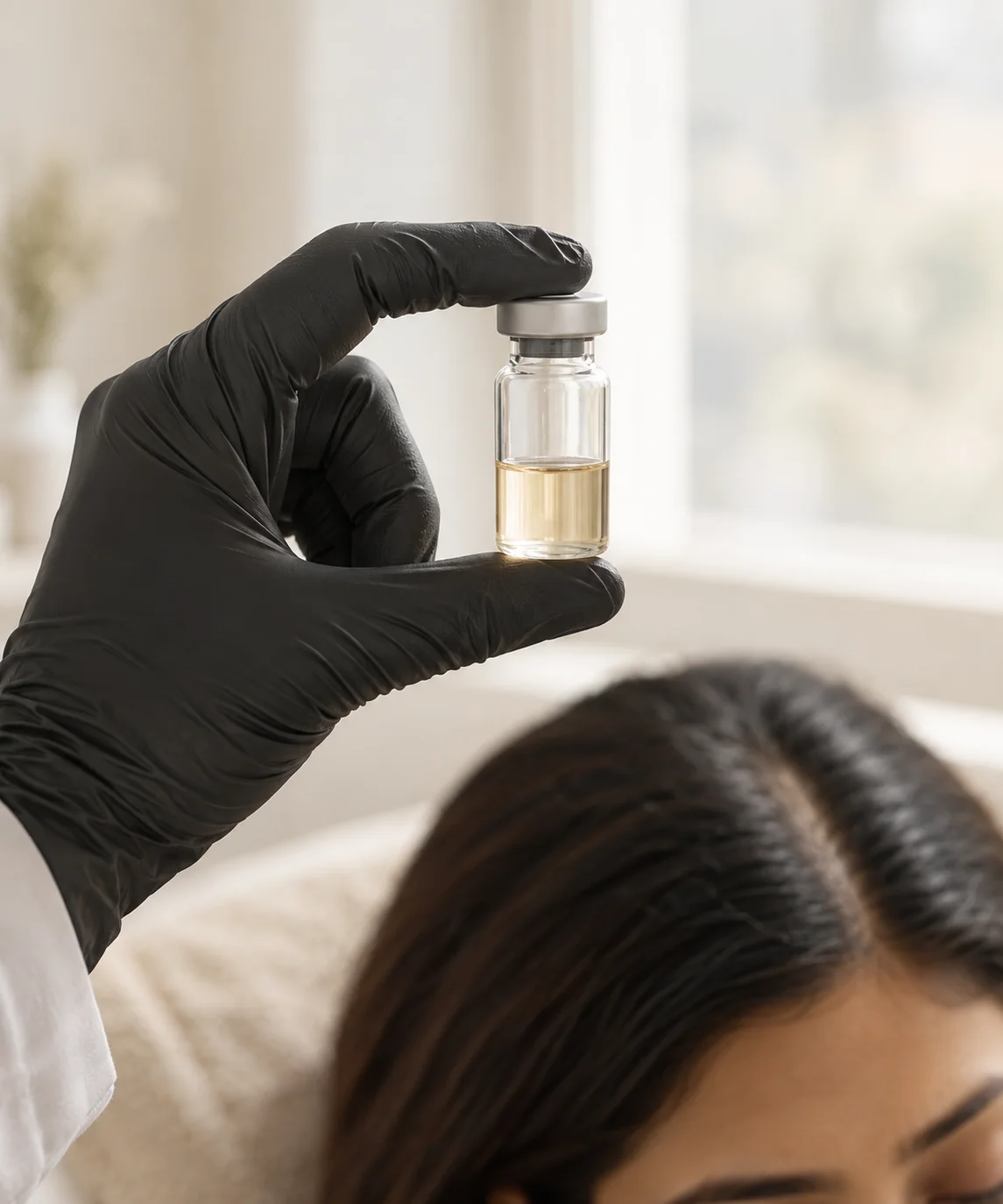
GFC (Growth Factor Concentrate) Therapy
Concentrated growth factors within a planned hair protocol.
Learn more →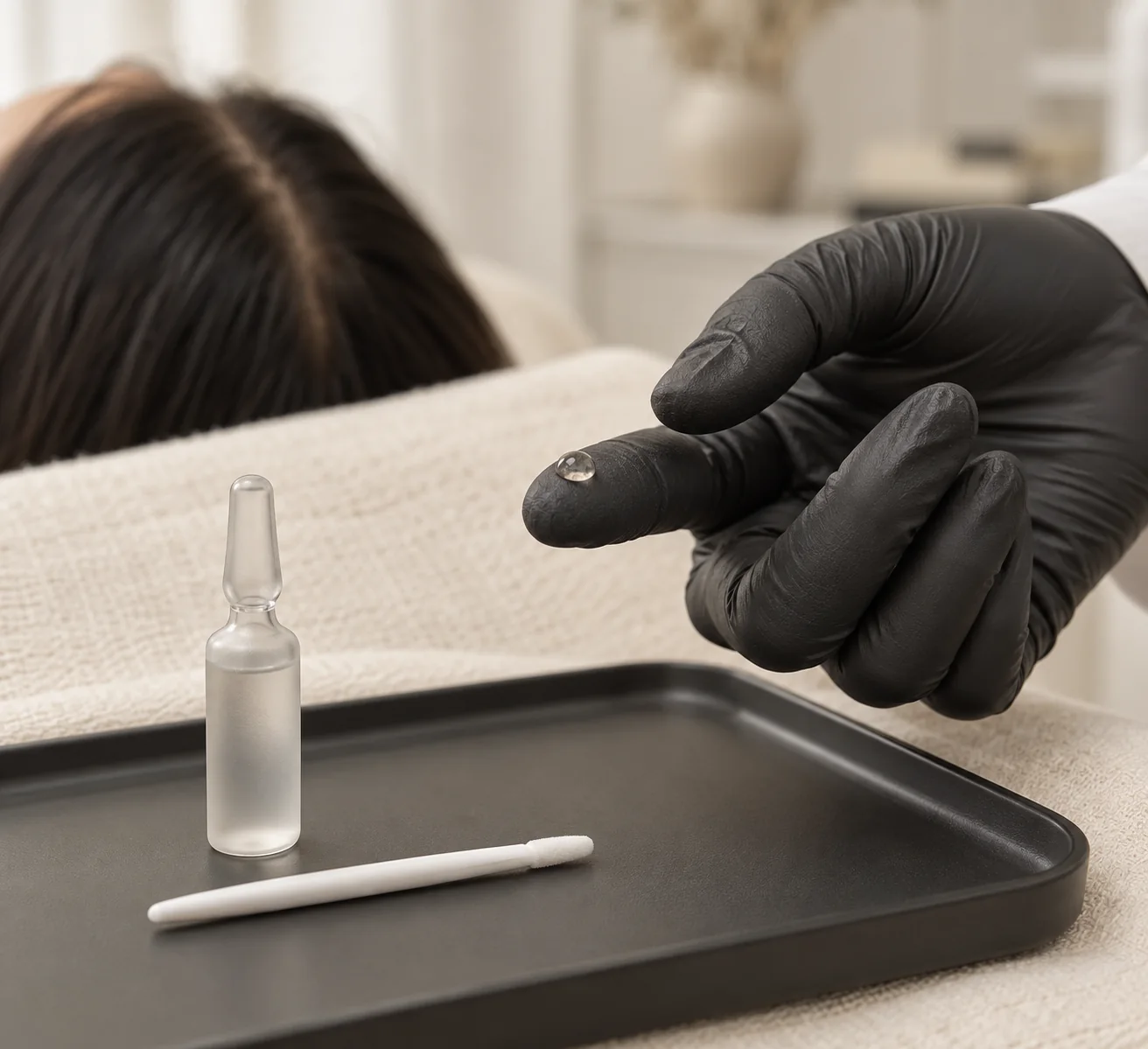
Exosome Hair Therapy
An adjunct option discussed on an individual basis.
Learn more →

Your treatment journey
From first consultation to review
A structured pathway, so you know what happens at every visit.
Your dermatologists
Assessed and supervised by a dermatologist.
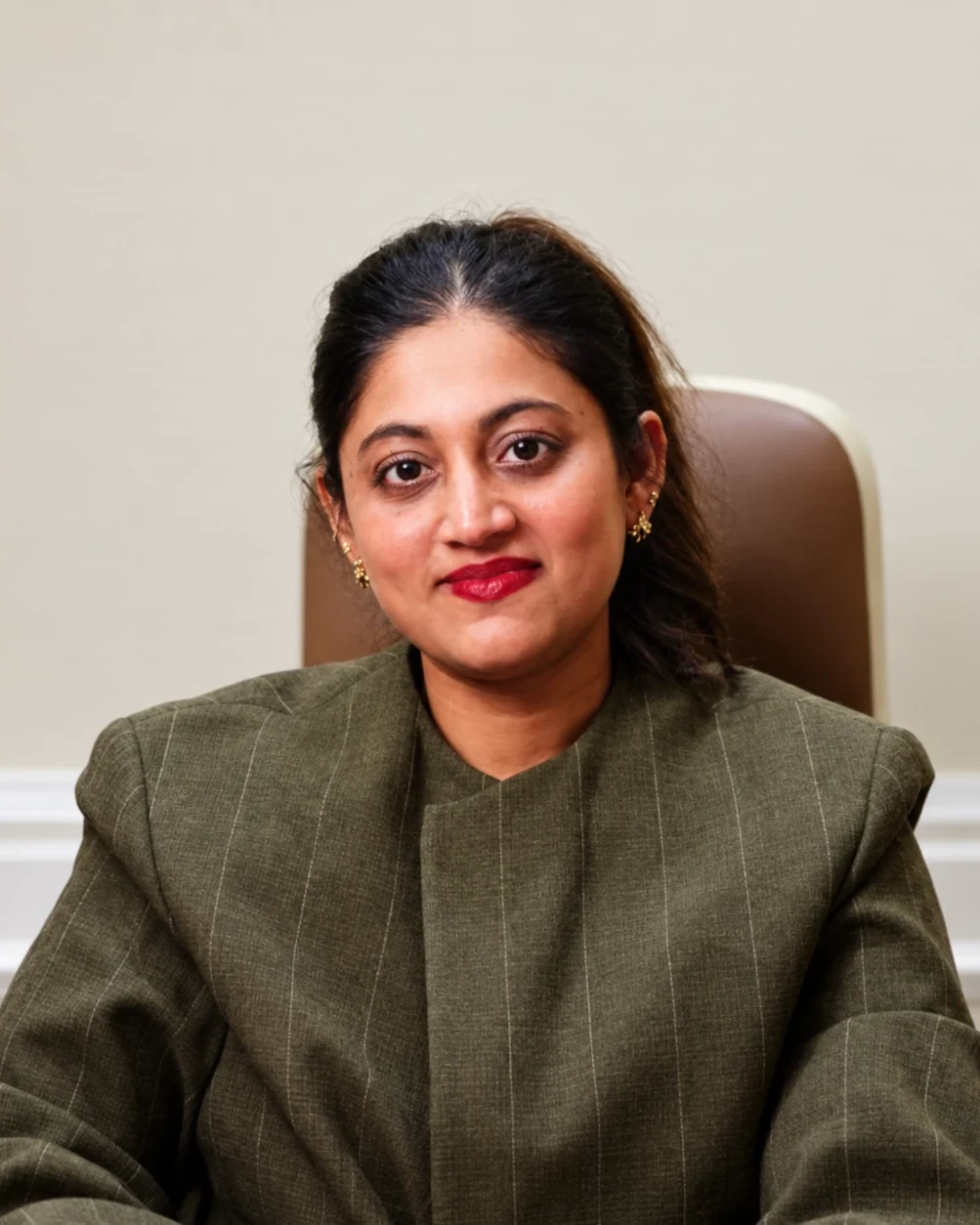
Dr. Ankita Shah
MD (Dermatology, Venereology & Leprosy)
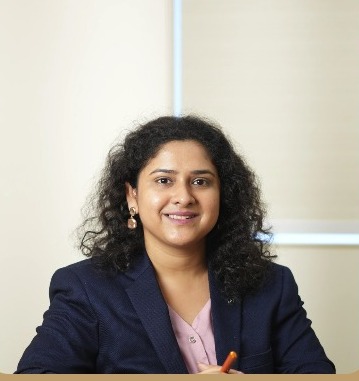
Dr. Shanvi Jadhav
MBBS, MD (Dermatology, Venereology & Leprosy)

Dr. Rohan Doshi
MBBS, MD (Dermatology, Venereology & Leprosy)
Every plan at Own Skin begins with a dermatologist's assessment of your skin, history and goals, the treatment, settings and session spacing are decided from that, not from a menu.
Questions
Frequently asked questions
Related concerns
Get hair fall & thinning assessed by a dermatologist in Camp, Pune.
- Clinic
- Camp, Pune
- Timings
- Monday to Sunday · 11:00 AM – 07:00 PM
- Directions
- Get directions
Medically reviewed by Dr Ankita Shah, Lead Dermatologist · Last reviewed 10 March 2026. This page is general information, not a diagnosis or a recommendation. Suitability, session counts and outcomes vary between individuals and are confirmed only after clinical assessment.