
Patient resources
Everything you need, before you arrive.
Practical guidance from our dermatology team on preparing for a consultation, following a treatment plan and looking after your skin afterwards.
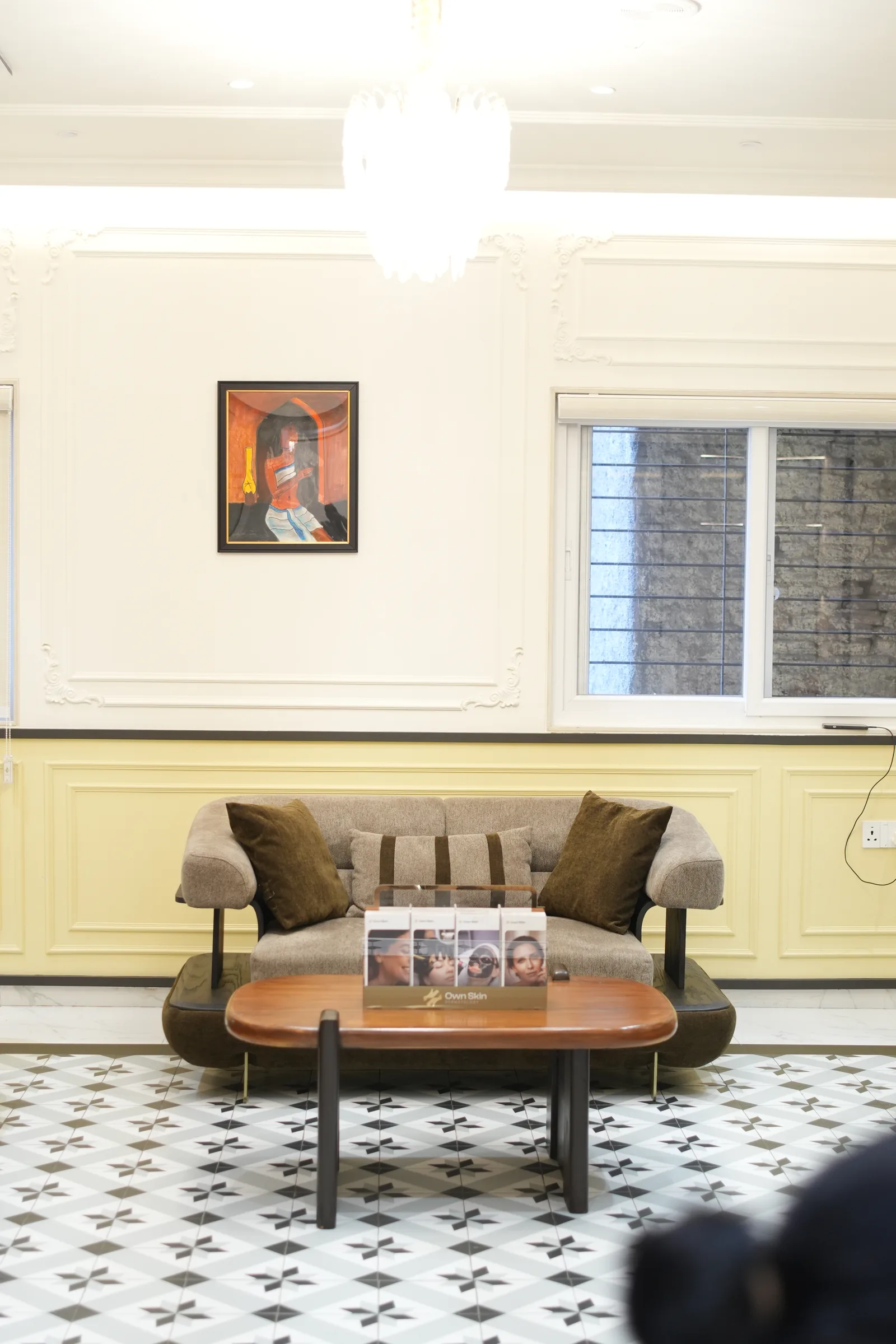
Guide 01
Preparing for your first consultation
A first visit is mostly conversation and examination. A little preparation makes it faster and more accurate.
Read the guide →Guide 02
Understanding your treatment plan
Most dermatology treatment is a course, not a single event. Knowing how a plan is structured helps you judge whether it is working.
Read the guide →Guide 03
Aftercare essentials
The procedure is half the result; the days after it are the other half. These general principles apply to most treatments. Your dermatologist will give you specific instructions for yours.
Read the guide →
Guide 01
Preparing for your first consultation
A first visit is mostly conversation and examination. A little preparation makes it faster and more accurate.
Bring with you
- The skincare, haircare and cosmetic products you use now, or clear photos of their labels.
- Previous prescriptions, test reports, biopsy results or notes from other clinics.
- A list of medicines and supplements you take, including contraceptives, thyroid, diabetes or acne tablets.
- Photographs of the concern if it comes and goes, so we can see it at its worst.
- For children under 18, a parent or legal guardian.
On the day
- Come with a clean face: no foundation, concealer or tinted sunscreen, so the skin can be examined properly.
- For a hair or scalp concern, do not oil your scalp that day and avoid tight hairstyles.
- For a nail concern, remove nail polish or extensions from the affected nails.
- Wear clothing that lets us look at the area easily, for example short sleeves for an arm rash.
- Allow around 20 to 30 minutes for a first consultation; procedures are booked separately.
What we will ask
- How long the concern has been present and whether it changes with season, stress, diet or your cycle.
- What you have already tried and how your skin responded.
- Family history of similar conditions, where relevant.
- What matters most to you, so the plan is built around your goals, not a menu.
What you leave with
- A diagnosis, or a clear plan to reach one, such as a test or a short trial of treatment.
- A recommendation, an honest view of what we would advise against, and what to expect and when.
- If a procedure is suggested: an explanation of what it involves, downtime, risks and cost, before anything is booked.
Guide 02
Understanding your treatment plan
Most dermatology treatment is a course, not a single event. Knowing how a plan is structured helps you judge whether it is working.
Why plans are staged
- Skin renews itself over roughly four to six weeks and hair grows in cycles of months, so change appears gradually and is measured over that timescale.
- Many treatments, such as laser hair reduction, acne programmes and PRP, are planned as sessions spaced weeks apart so each session builds on the last.
- Starting with a conservative step lets us see how your skin responds before intensifying treatment.
Reading your plan
- Each plan states the goal, the treatment or treatments, how sessions are spaced, the home care in between, and when we review.
- Session numbers and timelines are estimates from experience; your response may be quicker or slower.
- Home care, especially sunscreen and the products we prescribe, is part of the treatment, not an optional extra.
Reviews and adjustments
- Review appointments compare your skin with the notes and photographs from your first visit so progress is judged objectively.
- Plans are adjusted if the response is slower than expected, if a side effect appears, or if your circumstances change.
- If a treatment is not working, we will say so and change course rather than add sessions.
Costs and commitments
- Fees are explained in writing before you commit to a multi-session plan.
- You can pause or stop a plan at any point; tell us so we can advise on the safest way to do that.
- If you are unsure about any part of the plan, ask. A good plan is one you understand.
Guide 03
Aftercare essentials
The procedure is half the result; the days after it are the other half. These general principles apply to most treatments. Your dermatologist will give you specific instructions for yours.
The first 24 to 72 hours
- Expect some redness, warmth or mild swelling after lasers, peels, micro-needling and injectables; it usually settles within hours to a few days.
- Cleanse gently with a mild, fragrance-free cleanser and lukewarm water. No scrubs, no exfoliating acids, no retinoids until you are told to restart.
- Moisturise as advised and keep the area protected. Do not pick, peel or scratch flaking skin; let it shed on its own.
- Avoid heat: hot showers, steam, saunas, hot yoga and heavy workouts for a day or two after energy-based treatments.
- Skip make-up on treated skin until any open or raw areas have closed, usually 24 to 48 hours.
Sun protection
- Treated skin is more sensitive to sunlight and more prone to pigmentation, particularly in Indian skin types.
- Use a broad-spectrum sunscreen every morning, reapply if you are outdoors or commuting, and add a cap or scarf for the first weeks after resurfacing or pigment treatment.
- Avoid direct midday sun and tanning for the period your dermatologist specifies.
Between sessions
- For laser hair reduction, do not wax, thread or pluck between sessions; shaving is fine.
- Use only the products on your plan. Adding new actives can irritate treated skin and confuse the picture at review.
- Keep your review appointments even if you feel the skin has settled; the review is where the plan is adjusted.
When to call us
- Redness, swelling or pain that is getting worse rather than better after 48 hours.
- Blistering, crusting, pus, or a spreading rash around the treated area.
- Darkening or lightening of the treated skin that persists beyond what you were told to expect.
- Any reaction that worries you. Call the clinic or message us on WhatsApp; if it is severe or you have difficulty breathing, go to the nearest emergency department.
Questions
Before you book
- Do I need a referral to see a dermatologist?
- No. You can book directly by phone, WhatsApp or the appointment form.
- Can I have a procedure on the same day as my first consultation?
- Sometimes, for minor procedures, if the dermatologist considers it appropriate and you have had time to read and sign the consent. Most procedures are booked for a separate visit.
- Can I discuss more than one concern in a visit?
- Yes. Mention everything at the start so the dermatologist can plan the time and examine each concern properly.
- Is it safe to have treatment during pregnancy or breastfeeding?
- Many treatments are deferred during pregnancy and breastfeeding. Tell us at booking so we can advise what is appropriate.
- Will you tell me the cost before treatment?
- Yes. Consultation and procedure fees are explained before you agree to anything, and multi-session plans are quoted in writing.
Latest articles
All articles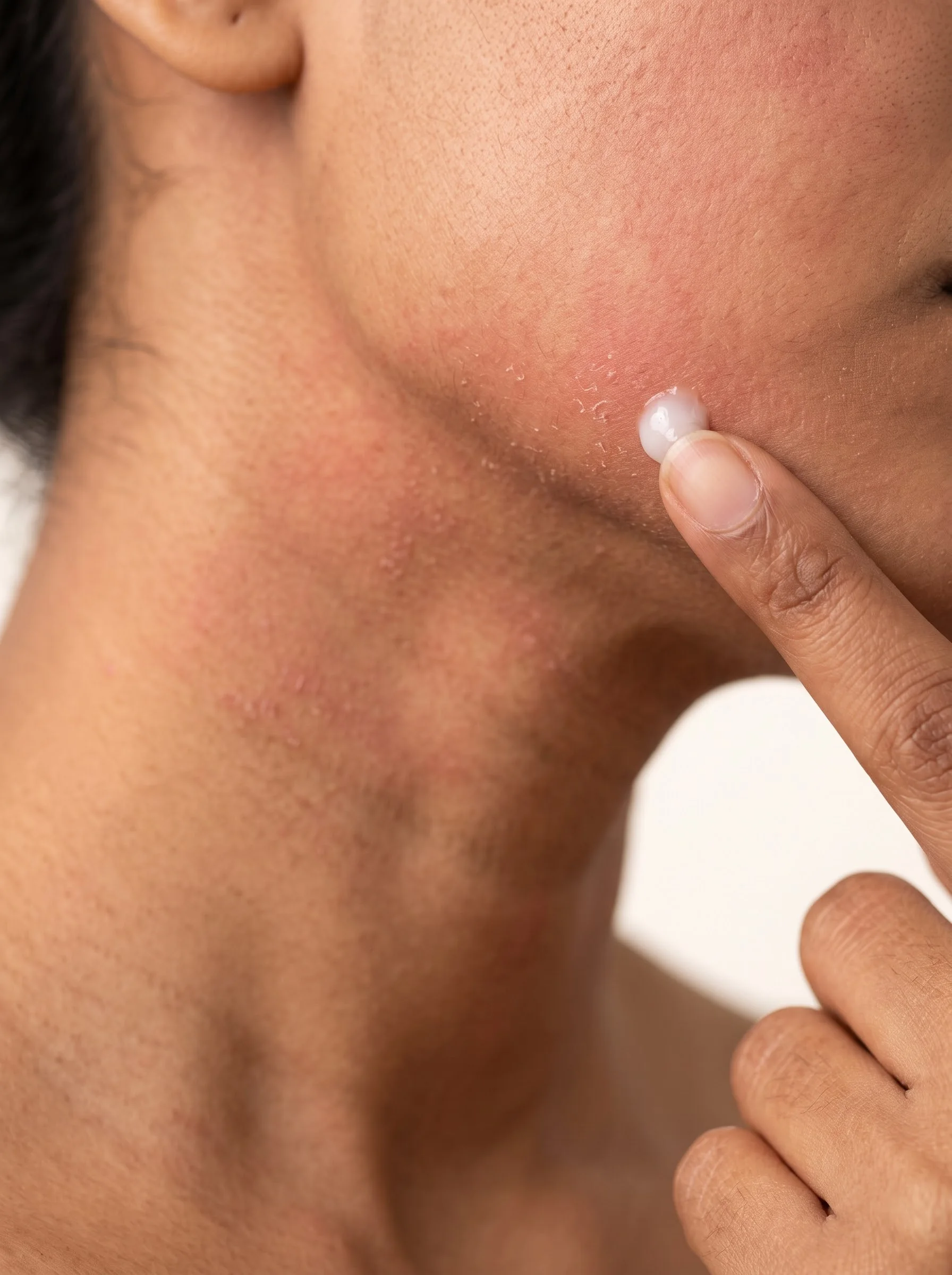
Skin Health
Understanding your skin barrier
Why a calm, intact barrier is the foundation of almost every dermatology plan, and how it quietly gets damaged.
Prevention
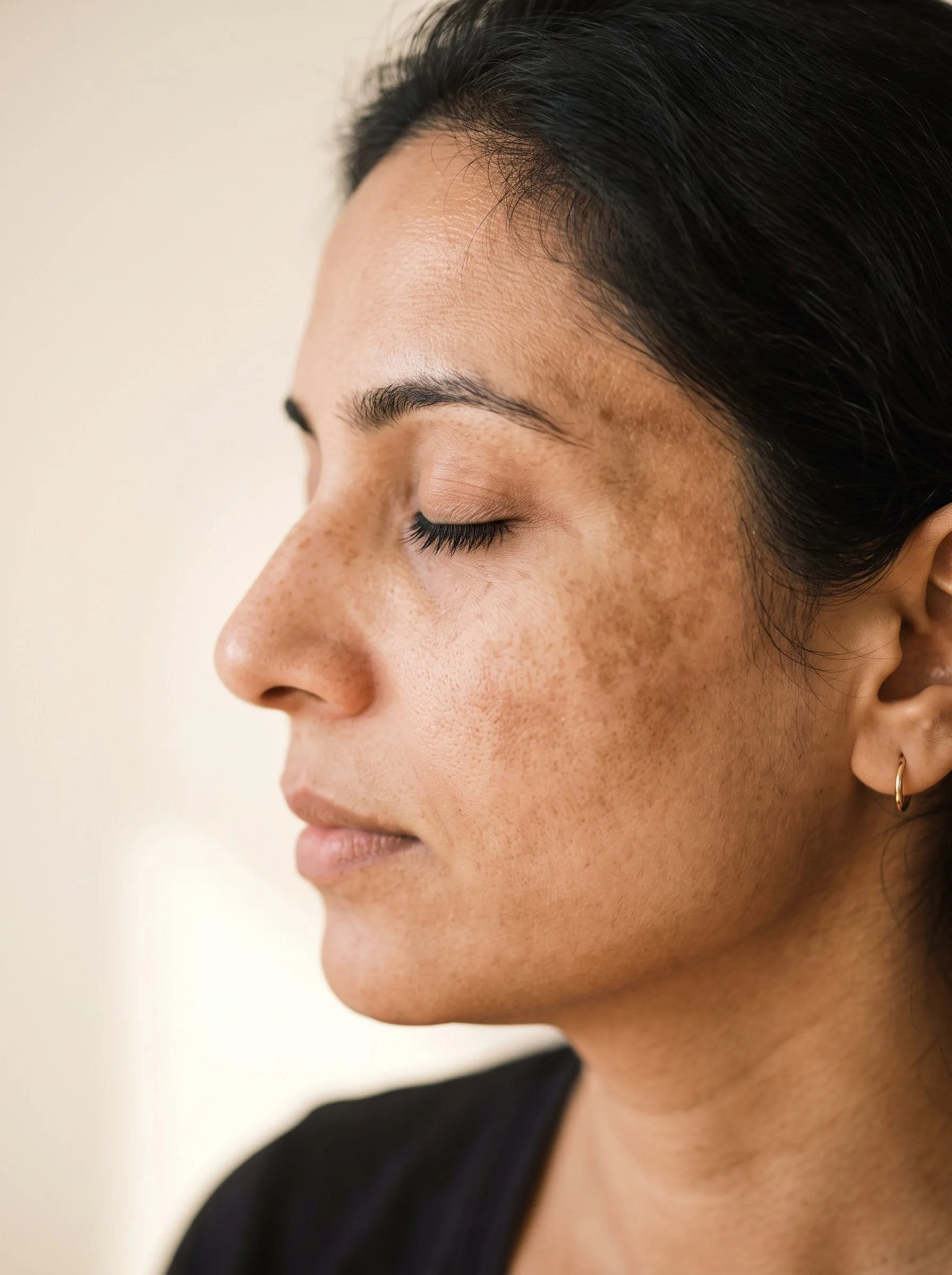
How to read a sunscreen label
SPF, PA ratings and texture, what actually matters when you are choosing daily protection.
Patient Guide
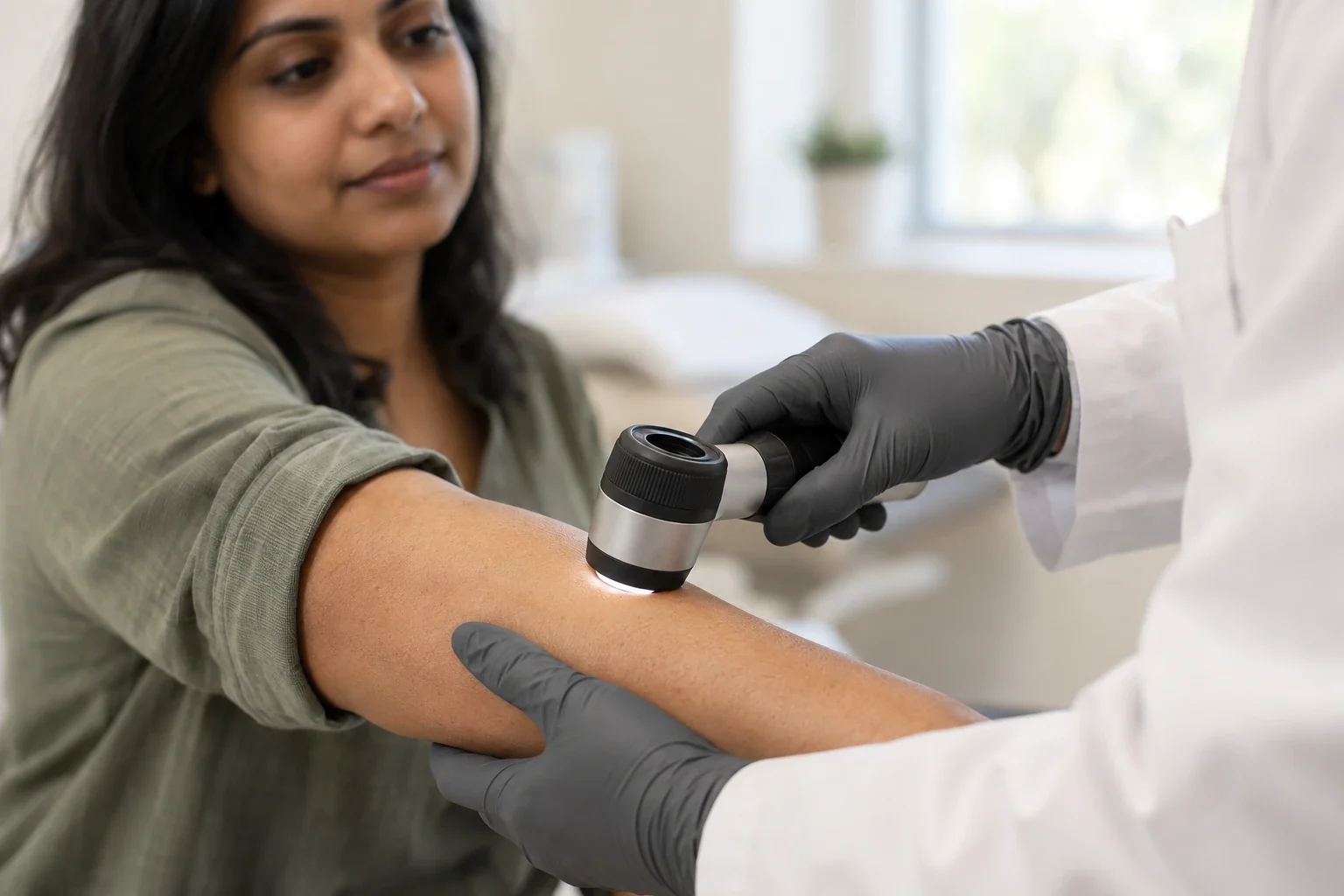
What happens at a dermatology consultation
A short guide to what we ask, what we look at, and what you can expect to leave with.

Appointments · Camp, Pune
Ready to understand your skin better?
Book a consultation with our dermatology team and start with a clear explanation of what your skin needs, and what it does not.
What to expect
- 01
Assessment by an MD dermatologist
Your skin, history and goals are examined before anything is recommended.
- 02
A clear plan, explained
What we suggest, what we advise against, expected timelines and downtime.
- 03
Treatment under supervision
Sterile protocols, single-use consumables and scheduled reviews.