
Concern · Pigmentation & Melasma
Expert Care for Uneven Skin Tone
Personalised dermatology solutions to address dark spots, melasma and uneven skin tone.
Own Skin Dermatology & Advanced Aesthetics · Camp, Pune
- Diagnosis before treatment, always
- Plans built for Indian skin and hair types
- Camp, Pune · 11:00 AM – 07:00 PM
Understanding the concern
What is pigmentation?
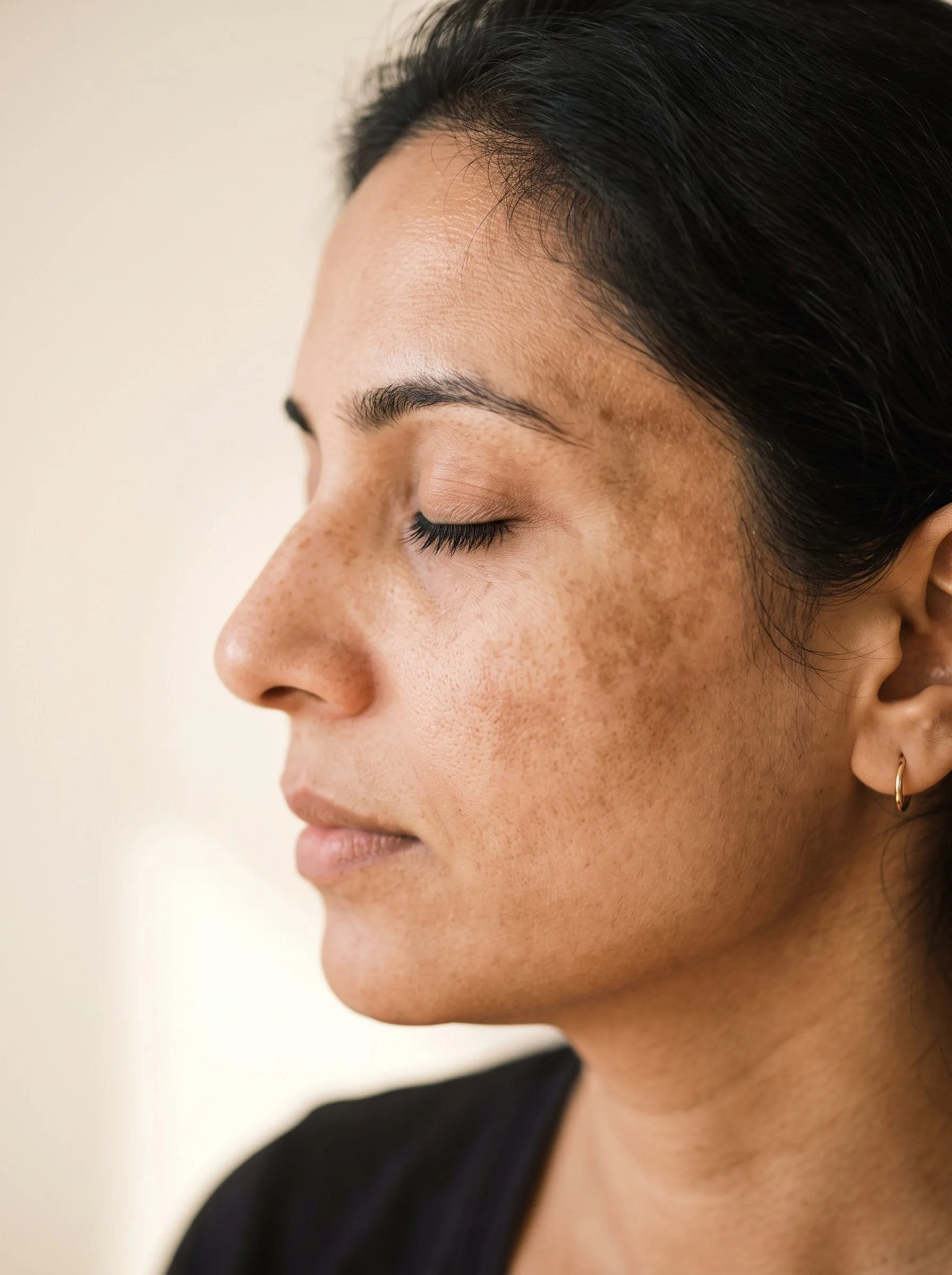
Skin pigmentation refers to variations in skin colour caused by increased production or uneven distribution of melanin, the natural pigment responsible for skin tone. It may appear as dark spots, patches or uneven tone, most commonly on the face, neck, hands and other sun-exposed regions.
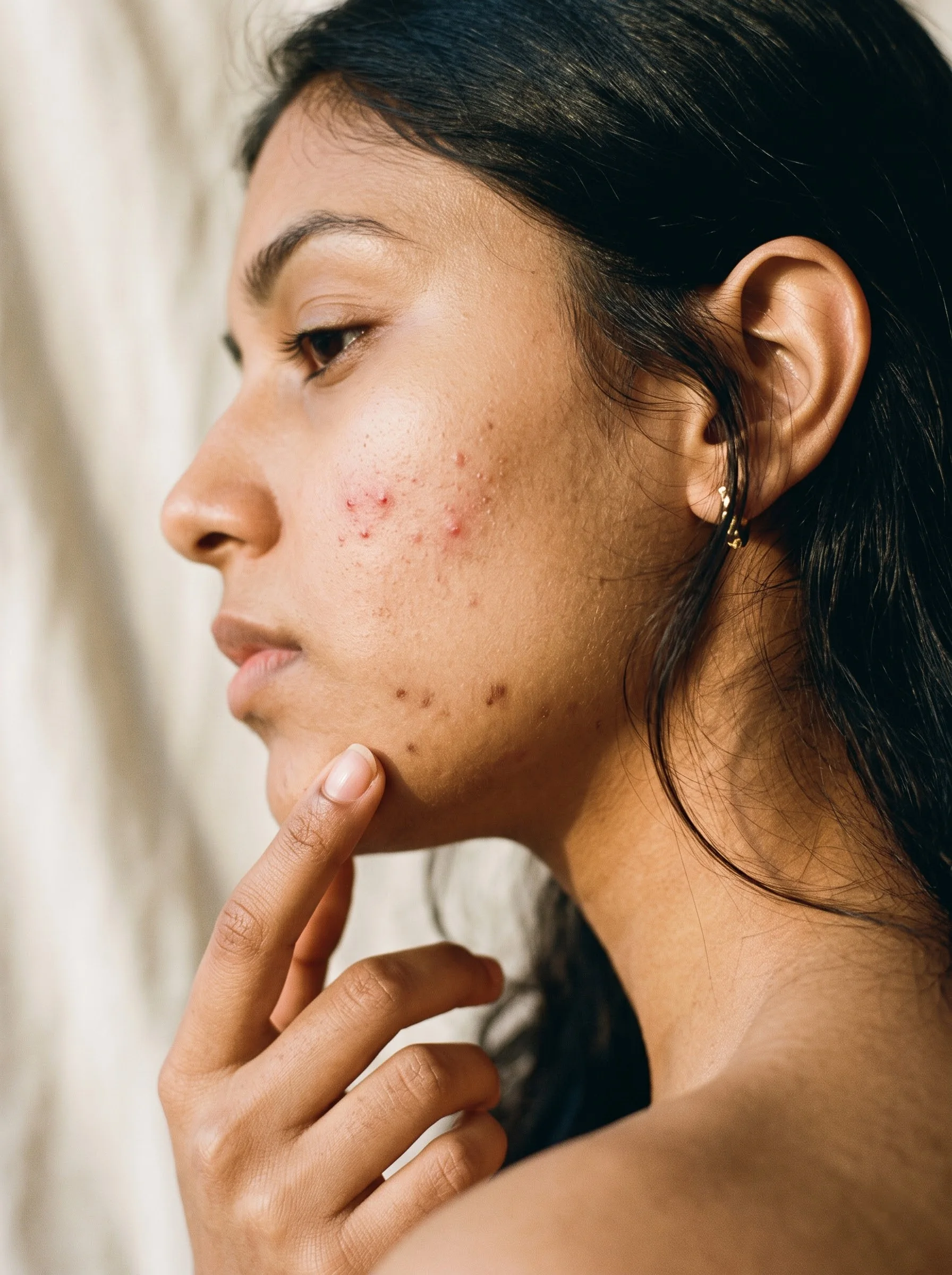
Pigmentation may develop gradually or appear suddenly due to sun exposure, hormonal changes, inflammation, irritation or certain medications. In Indian skin types it often occurs after acne, minor skin injuries or cosmetic treatments, post-inflammatory pigmentation.
Home remedies or over-the-counter products used without understanding the cause may lead to temporary improvement or increased sensitivity. A dermatologist consultation identifies the type, depth and cause, allowing a safer and more effective plan.
Possible causes
Causes of pigmentation & melasma
Several internal and external factors may contribute to this concern.
A dermatological evaluation determines the type and depth of pigmentation, which is important for selecting the most appropriate treatment.
- 01Sun exposure, which stimulates melanin production
- 02Hormonal changes, particularly during pregnancy or due to hormonal conditions
- 03Melasma, a hormonally influenced form of pigmentation
- 04Post-inflammatory pigmentation after acne, irritation or injury
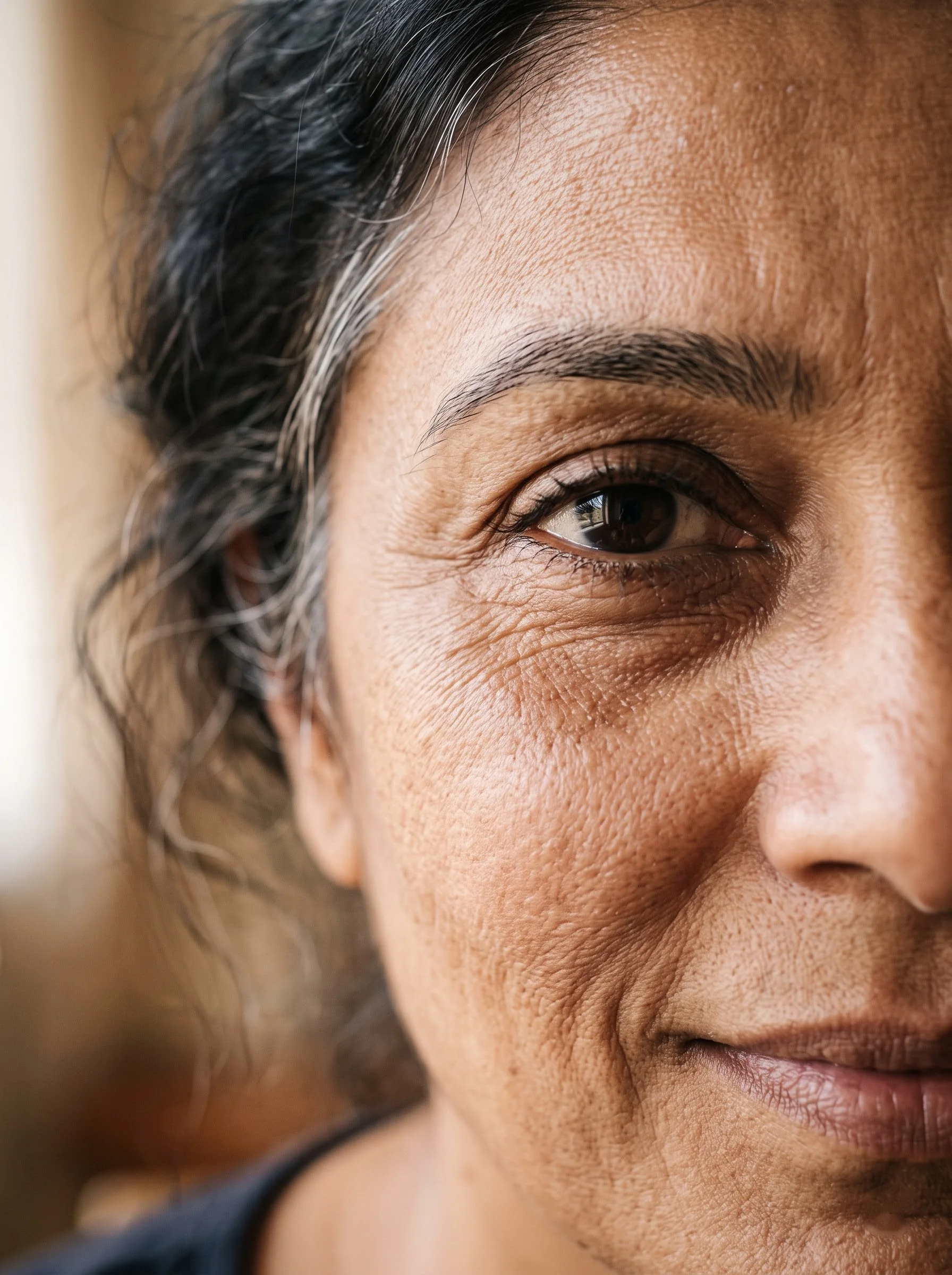
- 05Age-related pigmentation, sometimes called sun spots or age spots
- 06Genetic predisposition
- 07Certain medications or cosmetic products
- 08Excessive heat exposure or environmental factors
Types
Types of pigmentation
- 01
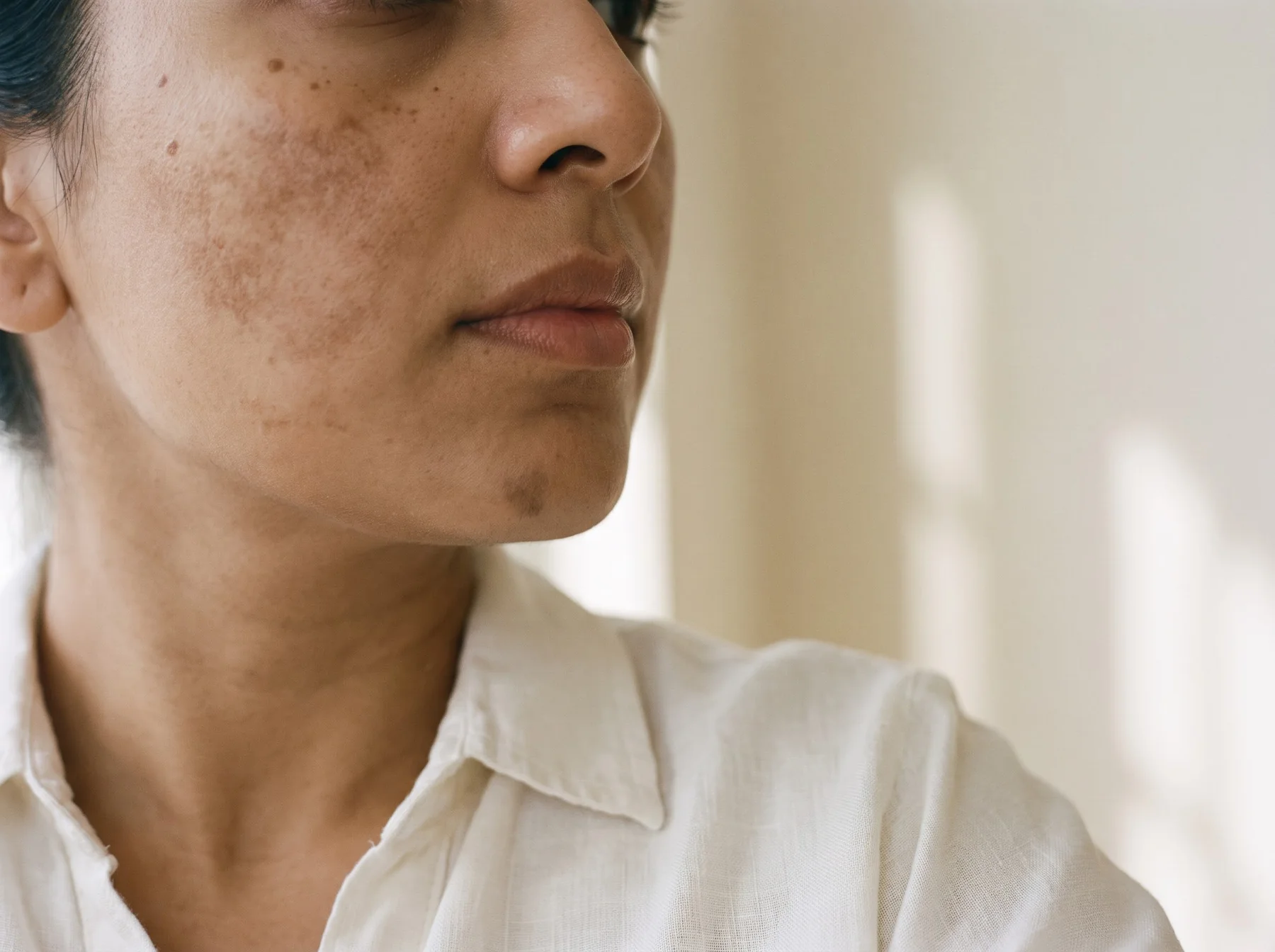
Melasma
Symmetrical brown or greyish patches, often on the cheeks, forehead, upper lip or chin; frequently associated with hormonal changes and sun exposure.
- 02
Sun-induced pigmentation
Sun spots or solar lentigines that develop gradually with prolonged sun exposure.
- 03
Post-inflammatory pigmentation
Dark marks left after acne, rashes, injuries or cosmetic procedures once the skin heals.
- 04
Freckles
Small light-to-dark brown spots that become more visible with sun exposure and are often influenced by genetics.
Treatment options
Solutions at Own Skin
Dermatologist-led solutions tailored to your skin type, concern severity and underlying causes.
At Own Skin, every treatment plan is personalised after a detailed skin analysis to ensure safety and long-term results.
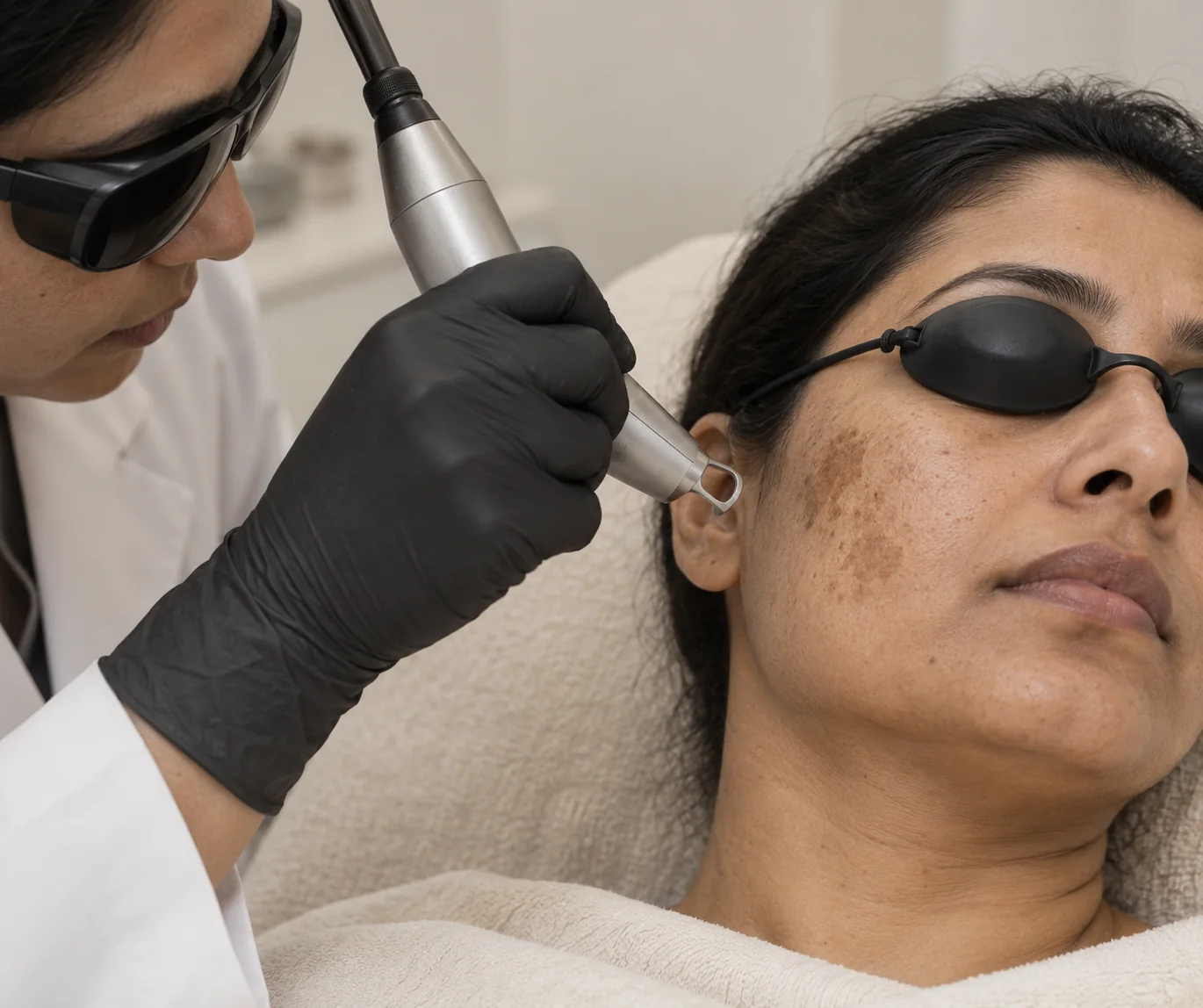
Q-Switch Laser for Pigmentation & Uneven Skin Tone
Pigment-selective laser for tone, marks and tattoo pigment.
Learn more →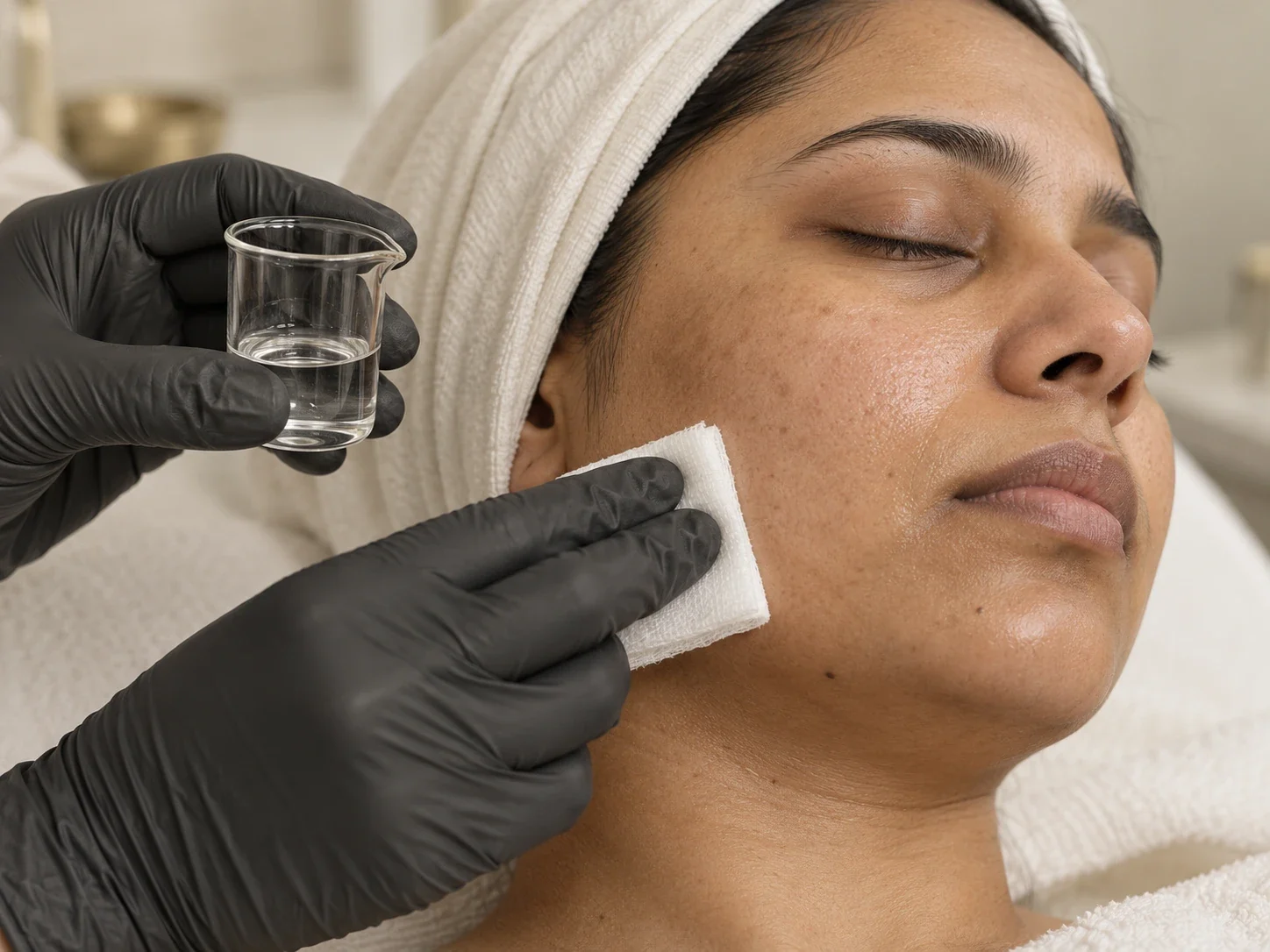
Chemical Peels
Controlled resurfacing selected for your skin type.
Learn more →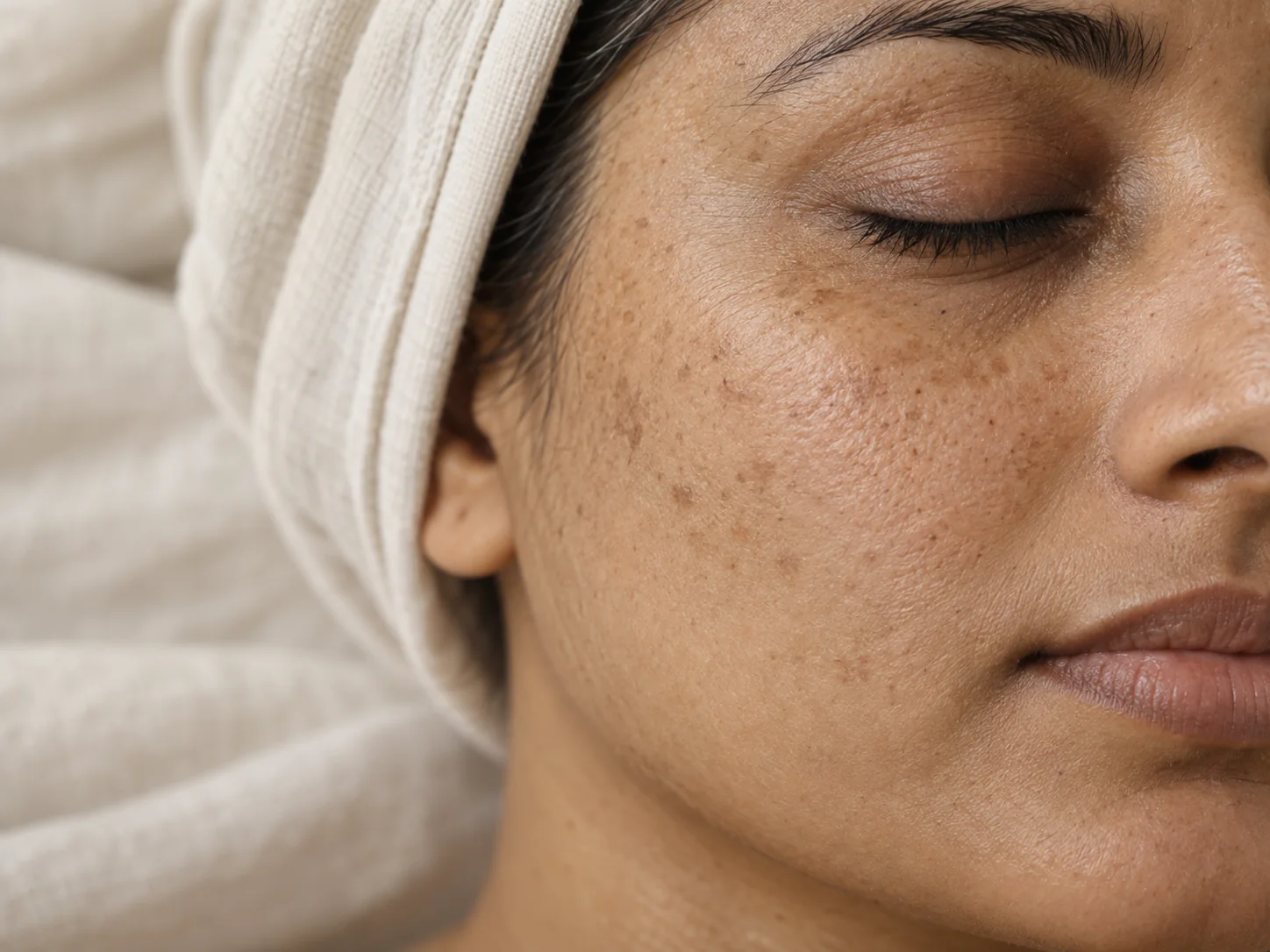
Radiance and Pigment Revival Treatment
A staged plan for uneven tone and lost clarity.
Learn more →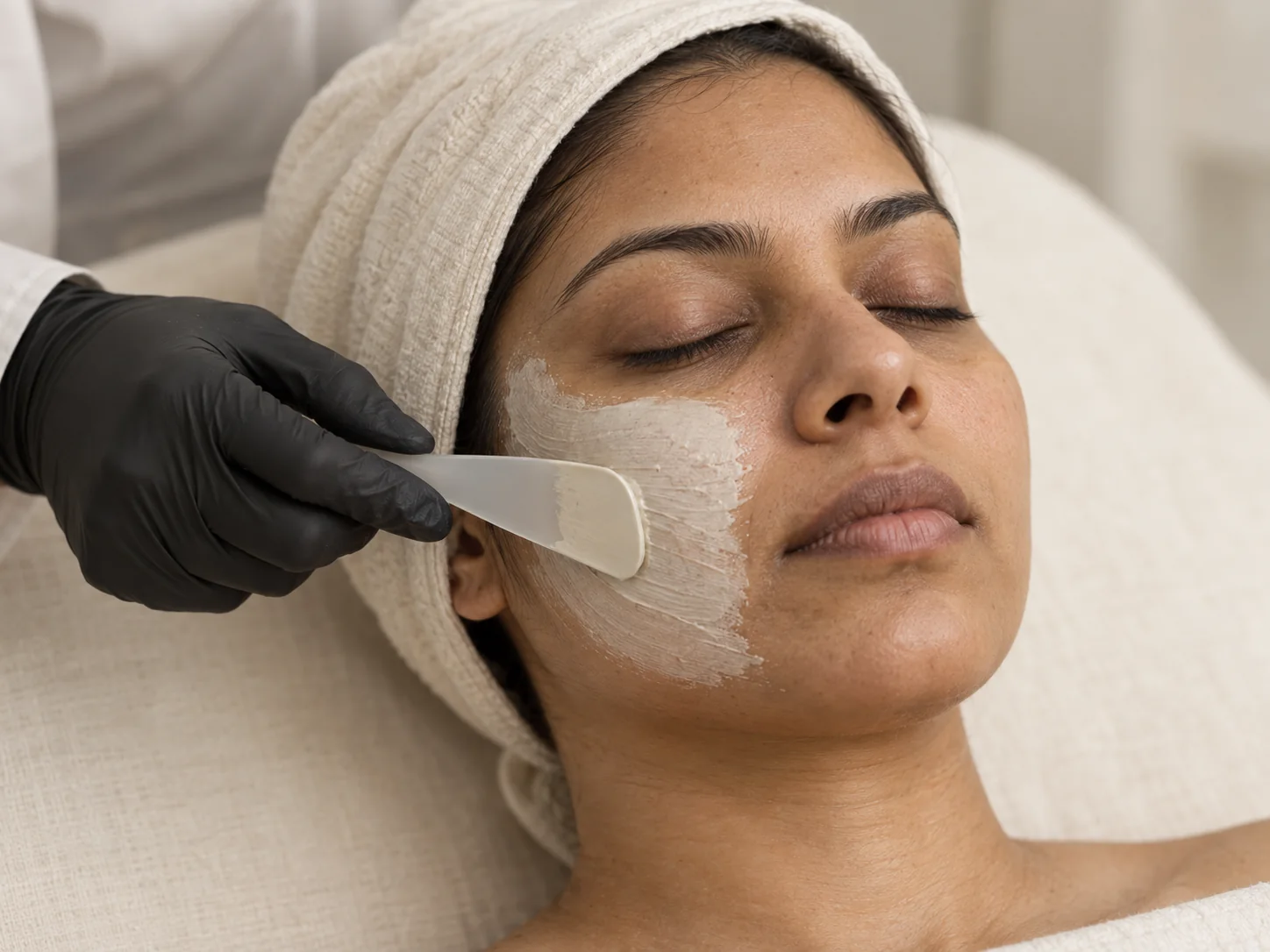
Medi-Facials
Clinician-planned facials, matched to your skin's state.
Learn more →
Your treatment journey
From first consultation to review
A structured pathway, so you know what happens at every visit.
Your dermatologists
Assessed and supervised by a dermatologist.

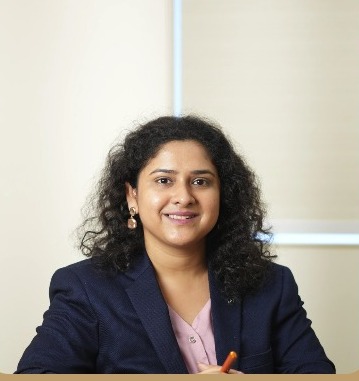
Dr. Ankita Shah
MD (Dermatology, Venereology & Leprosy)
Dr. Shanvi Jadhav
MBBS, MD (Dermatology, Venereology & Leprosy)

Dr. Rohan Doshi
MBBS, MD (Dermatology, Venereology & Leprosy)
Every plan at Own Skin begins with a dermatologist's assessment of your skin, history and goals, the treatment, settings and session spacing are decided from that, not from a menu.
Questions
Frequently asked questions
Related concerns
Concern
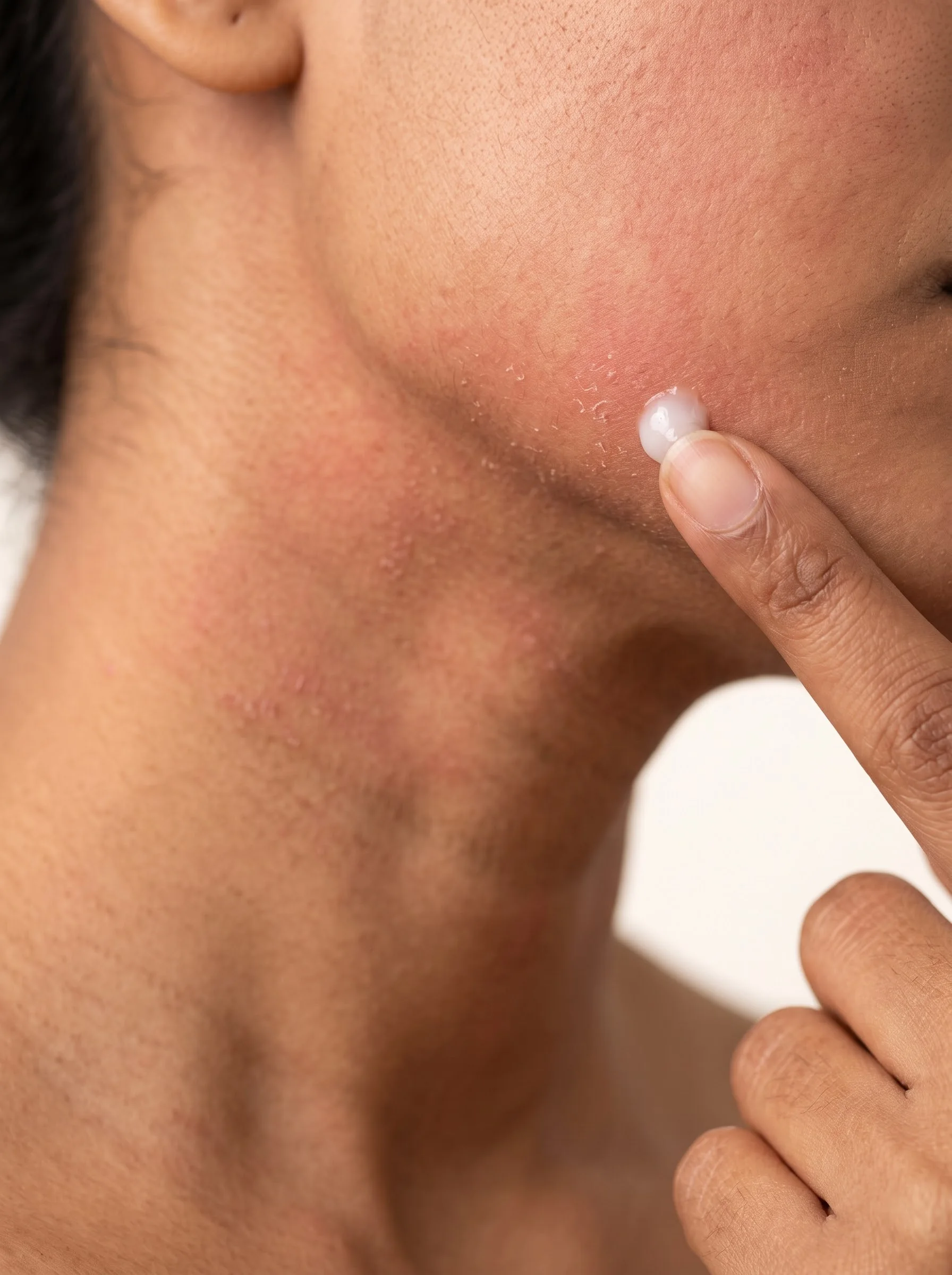
Sensitive & Medical Skin ConditionsEczema, redness and reactive skin need careful, medical care.
Get pigmentation & melasma assessed by a dermatologist in Camp, Pune.
- Clinic
- Camp, Pune
- Timings
- Monday to Sunday · 11:00 AM – 07:00 PM
- Directions
- Get directions
Medically reviewed by Dr Ankita Shah, Lead Dermatologist · Last reviewed 10 March 2026. This page is general information, not a diagnosis or a recommendation. Suitability, session counts and outcomes vary between individuals and are confirmed only after clinical assessment.