Hair · Pune
Hair fall in Pune: hard water, helmets, stress: and what actually causes it
6 min read · Published 21 September 2026 · Updated 21 September 2026
Medically reviewed by Dr Rohan Doshi, Consultant Dermatologist
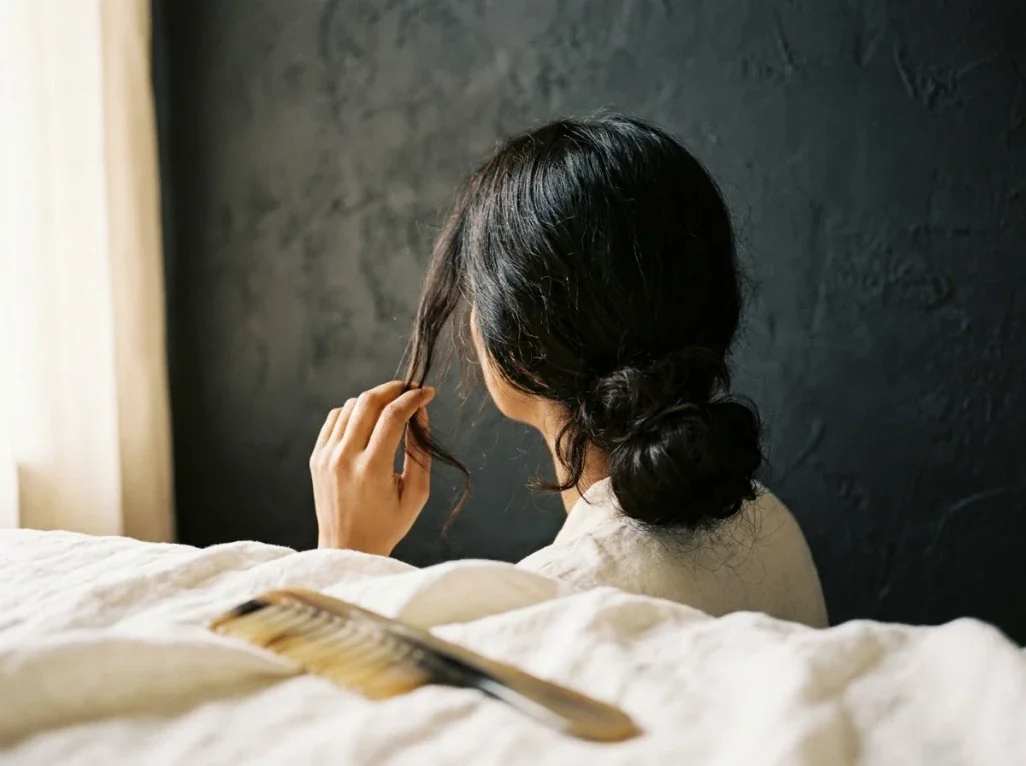
Hair fall is among the most common reasons people in Pune consult a dermatologist, and one of the most confusing. Everyone has a theory, the water, the helmet, the weather, the shampoo. Some of these matter a little. Most hair loss, however, has a medical cause that can be identified.
Shedding versus thinning
Everyone sheds hair daily. A sudden increase in shedding a few months after an illness, a fever, childbirth, crash dieting or a stressful period is usually telogen effluvium, a temporary shift of hair into the resting phase. It generally recovers once the trigger has passed.
Gradual thinning at the crown or a widening parting, especially with a family history, points to androgenetic alopecia (pattern hair loss). Patchy, coin-shaped bald areas suggest alopecia areata. These need different approaches, and the difference is not always obvious from the mirror.
The local factors, honestly assessed
Hard water can leave hair dry, dull and prone to breakage, which looks like hair fall but is not loss from the root. A filter or a final rinse with treated water helps the texture; it does not treat pattern loss.
Helmets do not cause baldness. A dirty, damp lining can cause scalp folliculitis and itching, and constant friction can break hair along the hairline, so keep the lining clean and dry.
Dandruff and seborrhoeic dermatitis, which flare in Pune's humid and dusty months, cause scalp inflammation that can increase shedding. Treating the scalp condition is often the first step.
What a dermatologist checks
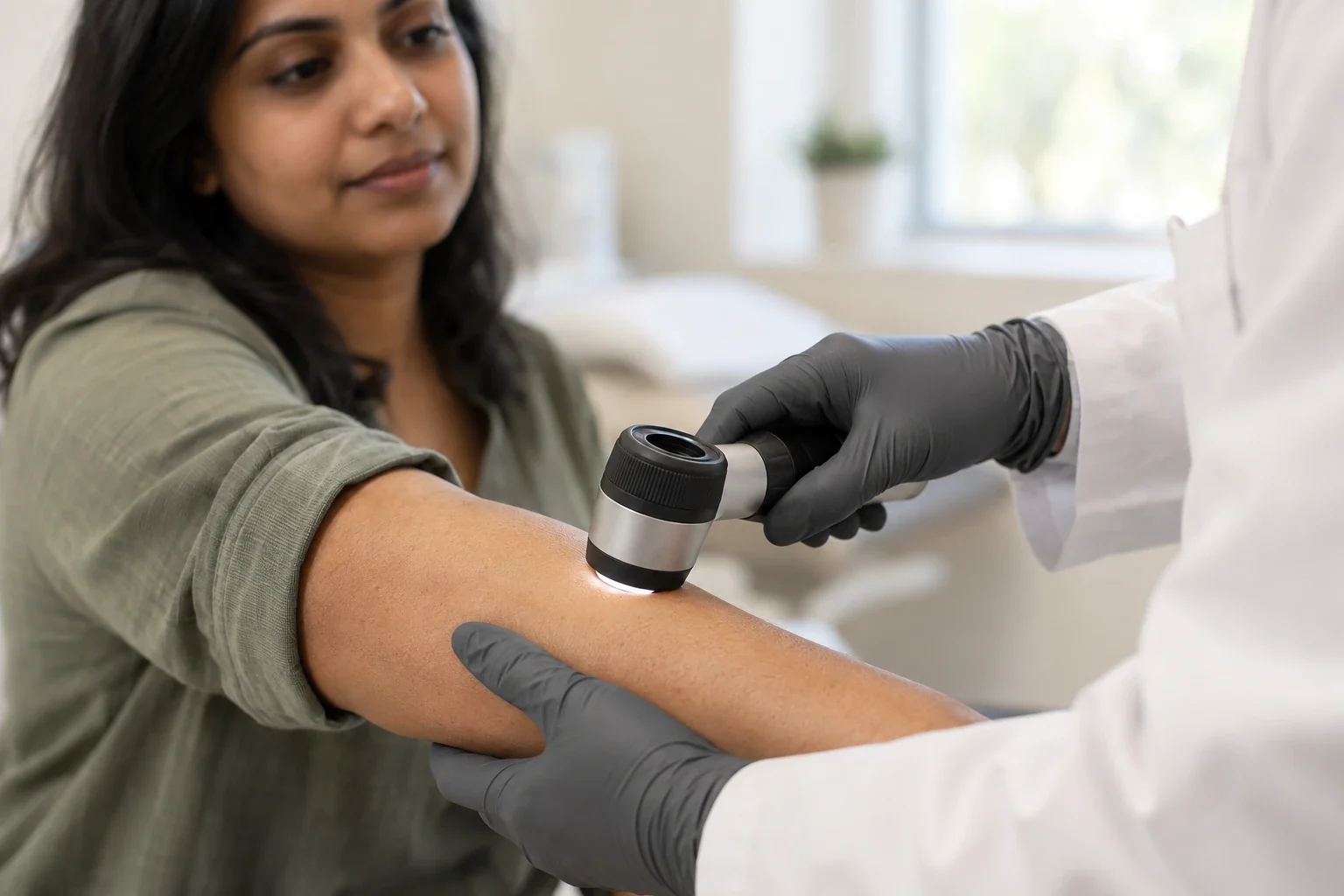
A consultation for hair loss involves a history, recent illness, diet, medication, family pattern, and examination of the scalp, often with a dermatoscope (trichoscopy). Blood tests may be advised to check for iron, thyroid or vitamin deficiencies that commonly contribute.
The goal is a diagnosis. Once the type of hair loss is clear, treatment can be chosen with a realistic expectation of what it will do.
Treatment options
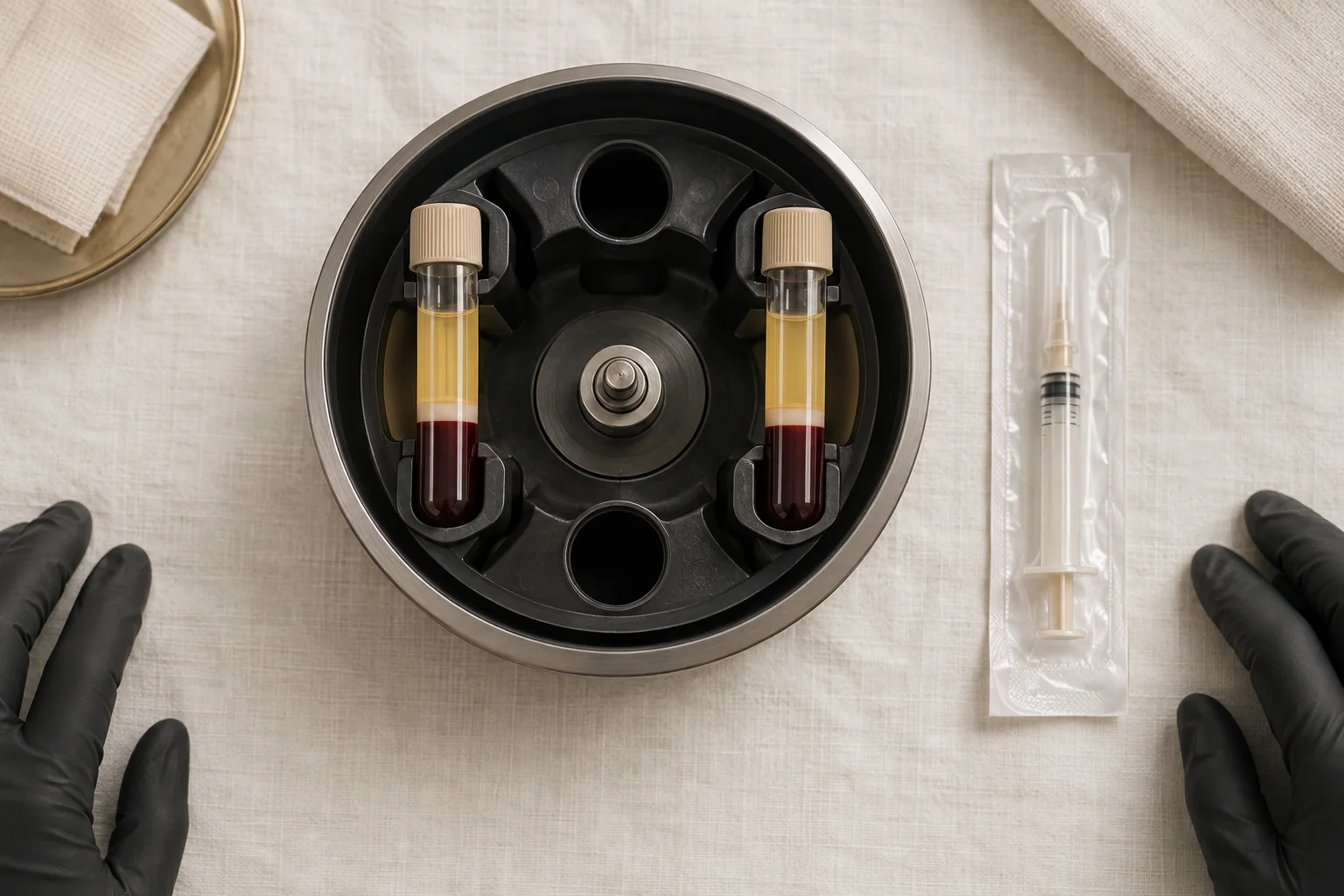
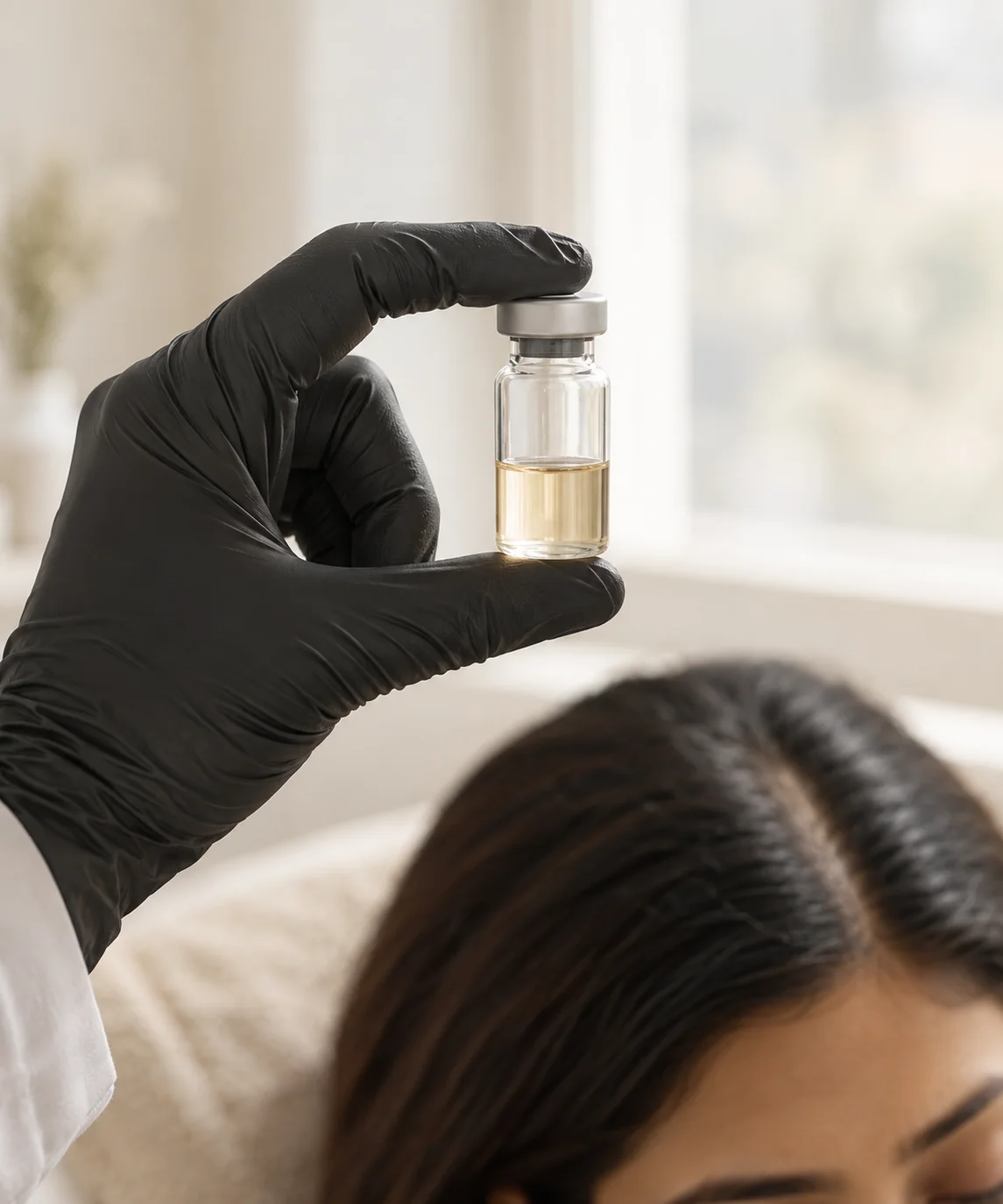
Depending on the diagnosis, this can include prescription topical or oral medication, nutritional correction, PRP (platelet-rich plasma) or growth-factor therapy, and scalp treatments for dandruff or inflammation. Results build over months, in line with the hair growth cycle.
At Own Skin in Camp, Pune, hair loss is assessed by a dermatologist before any treatment is suggested.
Frequently asked questions
- Does Pune's hard water cause hair fall?
- Hard water can make hair dry and prone to breakage, which looks like hair fall. It does not cause loss from the root; that usually has a medical cause a dermatologist can identify.
- How much hair fall is normal?
- Losing some hair daily is normal. A noticeable increase lasting more than a few weeks, visible thinning, or bald patches are reasons to be assessed.
- Will hair grow back after telogen effluvium?
- Usually yes, over several months, once the trigger has resolved. A dermatologist can confirm the diagnosis and rule out other causes.
Related treatments at Own Skin
This article is general information and does not replace a consultation. Sources and references: shared on request at the clinic.