Infections · Pune
Fungal skin infections in Pune's monsoon: prevention and when to see a dermatologist
5 min read · Published 21 September 2026 · Updated 21 September 2026
Medically reviewed by Dr Shanvi Jadhav, Consultant Dermatologist

From June onwards, dermatology clinics across Pune see a steady rise in fungal skin infections, itchy, ring-shaped patches in the groin, under the breasts, around the waist and between the toes. Warm, damp skin under clothing is the ideal environment for the fungus, and the monsoon provides it for months.
How to recognise a fungal infection
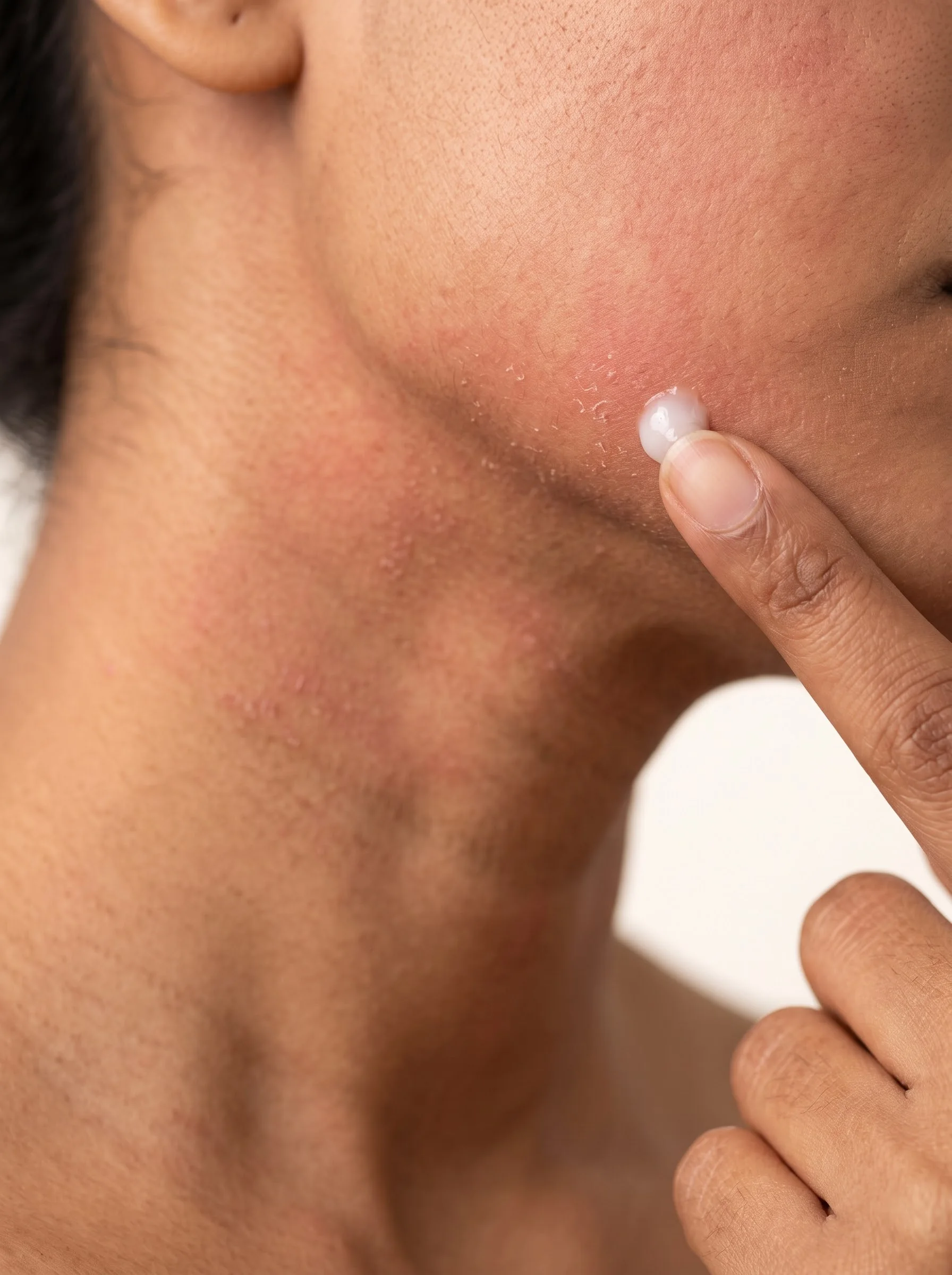
Tinea (ringworm) typically appears as an itchy, red or brown patch with a raised, scaly edge that spreads outwards while the centre clears. In skin folds it may just look like a persistent, itchy rash. Between the toes it causes peeling and cracking; on the scalp it can cause patchy hair loss with scaling.
Itching that worsens with sweat and at night is characteristic.
Why it keeps coming back
The most common reason is the wrong cream. Many over-the-counter combination creams contain a steroid alongside the antifungal. The steroid calms the itch quickly, so the rash seems to improve, but it also suppresses the skin's defence, and the infection spreads and becomes harder to treat. Dermatologists across India now see steroid-modified, resistant tinea regularly.
Stopping treatment as soon as the itch settles, sharing towels, and re-wearing damp clothing also keep the cycle going.
Prevention in a Pune monsoon
Dry skin folds thoroughly after bathing, change out of wet clothes and socks promptly, and choose loose cotton over tight synthetics. Wash and fully dry towels and innerwear; sun-drying helps. If one family member is infected, avoid sharing towels, bedding and clothing.
Footwear that stays wet all day is the usual cause of athlete's foot; alternate pairs so each dries out.
When to see a dermatologist
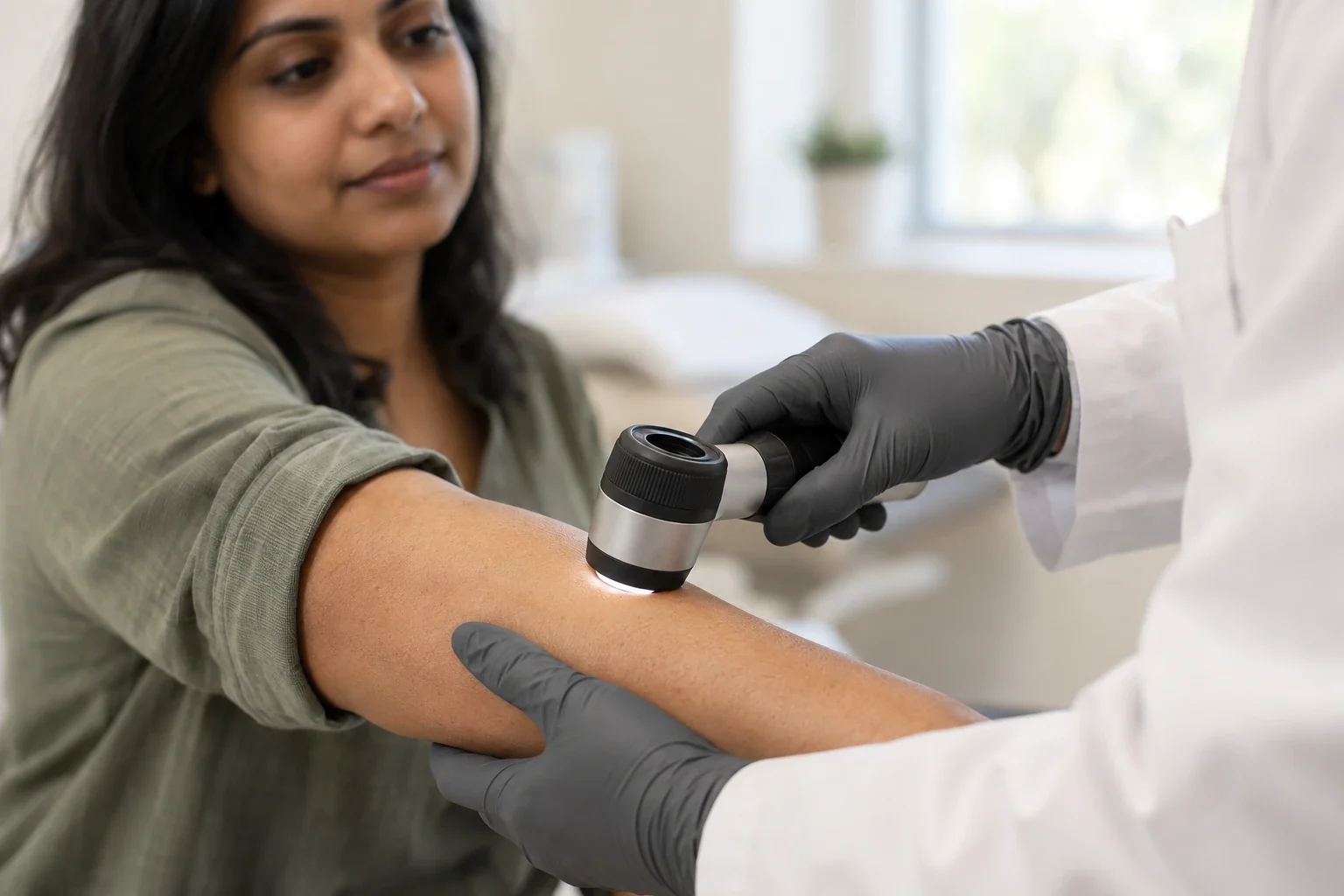
If the rash is spreading, has lasted more than a couple of weeks, keeps returning, or has been treated with a combination cream already, see a dermatologist. Proper treatment usually involves a prescribed antifungal, sometimes oral, for a full course, plus advice to stop the reinfection cycle at home.
At Own Skin, fungal infections are diagnosed clinically and treated with the aim of clearing them fully rather than suppressing the itch.
Frequently asked questions
- Is ringworm caused by a worm?
- No. Ringworm (tinea) is a fungal infection named for its ring-shaped appearance.
- Can I use a steroid cream for the itch?
- Avoid it unless prescribed. Steroid-containing combination creams often make fungal infections spread and become resistant.
- How long does treatment take?
- It depends on the site and extent. A dermatologist will prescribe a full course, and it is important to complete it even after the itch settles.
This article is general information and does not replace a consultation. Sources and references: shared on request at the clinic.