
Concern · Warts, Moles & Skin Tags
Safe Removal of Facial Skin Lesions
Accurate diagnosis and safe removal of moles, skin tags, warts and other skin lesions.
Own Skin Dermatology & Advanced Aesthetics · Camp, Pune
- Diagnosis before treatment, always
- Plans built for Indian skin and hair types
- Camp, Pune · 11:00 AM – 07:00 PM
Understanding the concern
What are skin lesions?
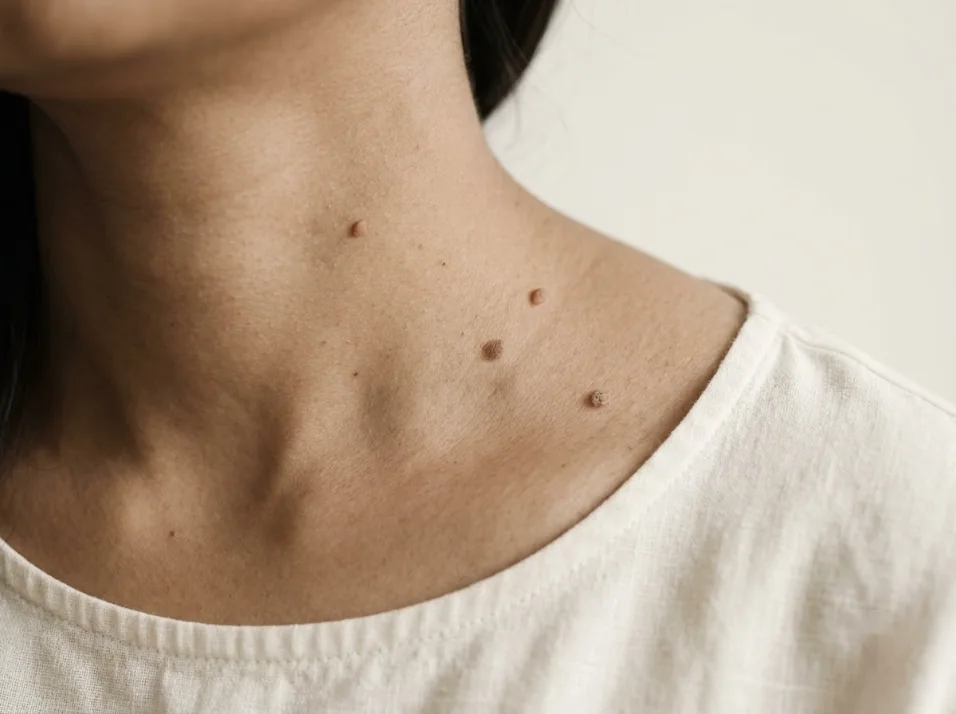
Skin lesions are visible growths, bumps or marks that develop on the skin, varying in size, colour and texture depending on their type and cause. Many are benign, moles, skin tags, cysts, warts or sebaceous hyperplasia.
Because the face is highly visible, even small lesions may cause cosmetic concern or discomfort, particularly if they grow, change or become irritated. Some develop gradually through genetics, ageing, sun exposure or blocked glands; others appear more suddenly.
It is important to have lesions evaluated, especially if they change in size or colour, bleed or become painful, or appear suddenly or grow rapidly. Professional evaluation determines whether a lesion is benign and whether removal is recommended.
Possible causes
Causes of warts, moles & skin tags
Several internal and external factors may contribute to this concern.
The exact cause depends on the type of lesion. A dermatological examination identifies the type and determines whether treatment or removal is advisable.
- 01Genetic predisposition
- 02Age-related skin changes
- 03Sun exposure and UV damage
- 04Blocked oil glands or hair follicles
- 05Viral infections, such as those causing warts
- 06Hormonal changes
- 07Skin irritation or inflammation
Types
Types of skin lesions
- 01
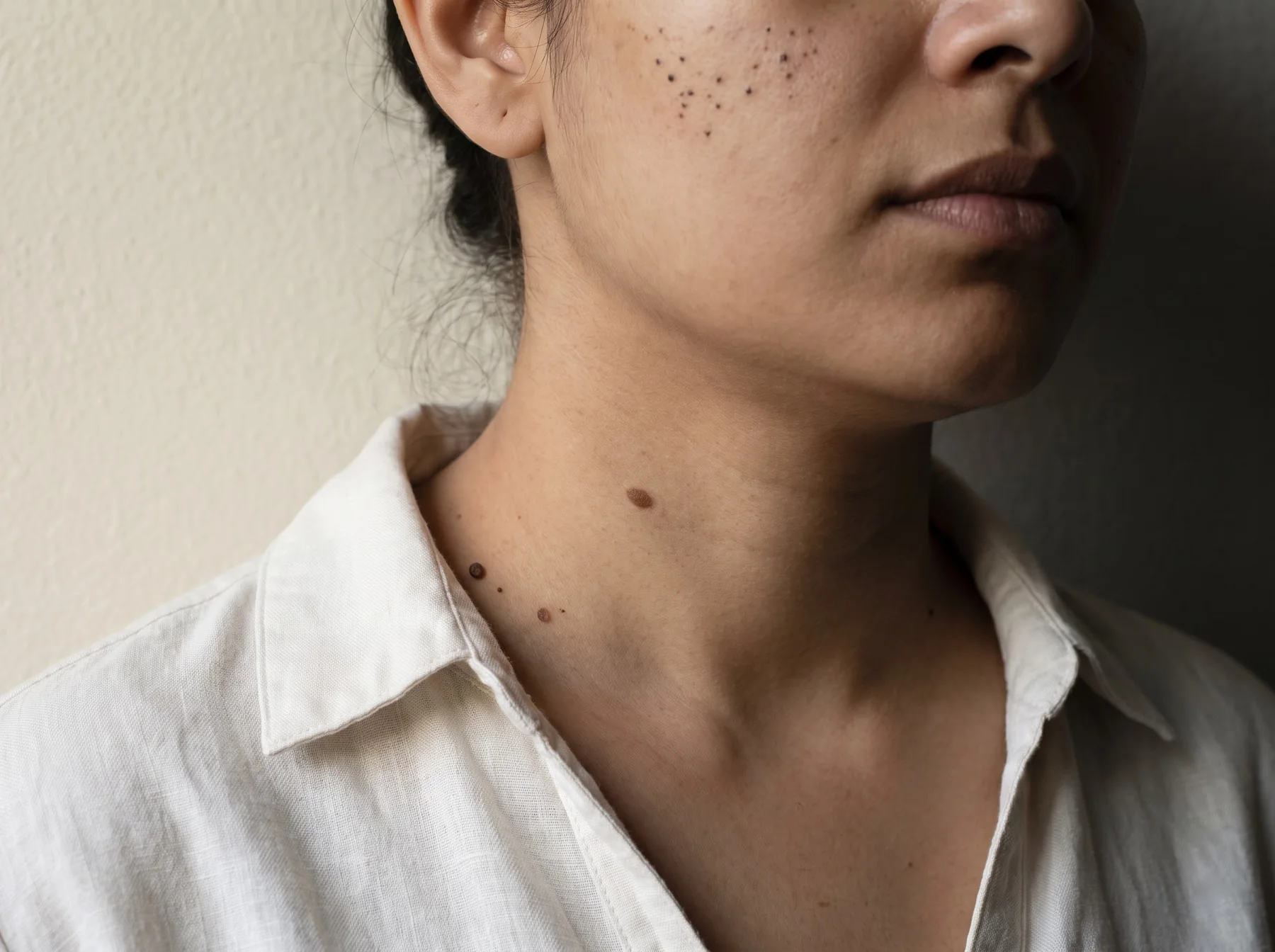
Moles (nevi)
Common pigmented growths: brown, black or skin-coloured. Most are harmless but should be evaluated if they change in appearance.
- 02
Skin tags
Small, soft growths that protrude slightly from the skin; harmless, but removed if they irritate or cause cosmetic concern.
- 03
Sebaceous hyperplasia
Small yellowish or skin-coloured bumps caused by enlarged oil glands.
- 04
Seborrhoeic keratosis and DPNs
Small raised or flat dark-coloured lesions on sun-exposed areas.
- 05
Warts
Small rough growths caused by viral infection, which may spread if untreated.
- 06
Epidermoid or sebaceous cysts
Small lumps beneath the skin from blocked glands or follicles.
Treatment options
Solutions at Own Skin
Dermatologist-led solutions tailored to your skin type, concern severity and underlying causes.
At Own Skin, every treatment plan is personalised after a detailed skin analysis to ensure safety and long-term results.
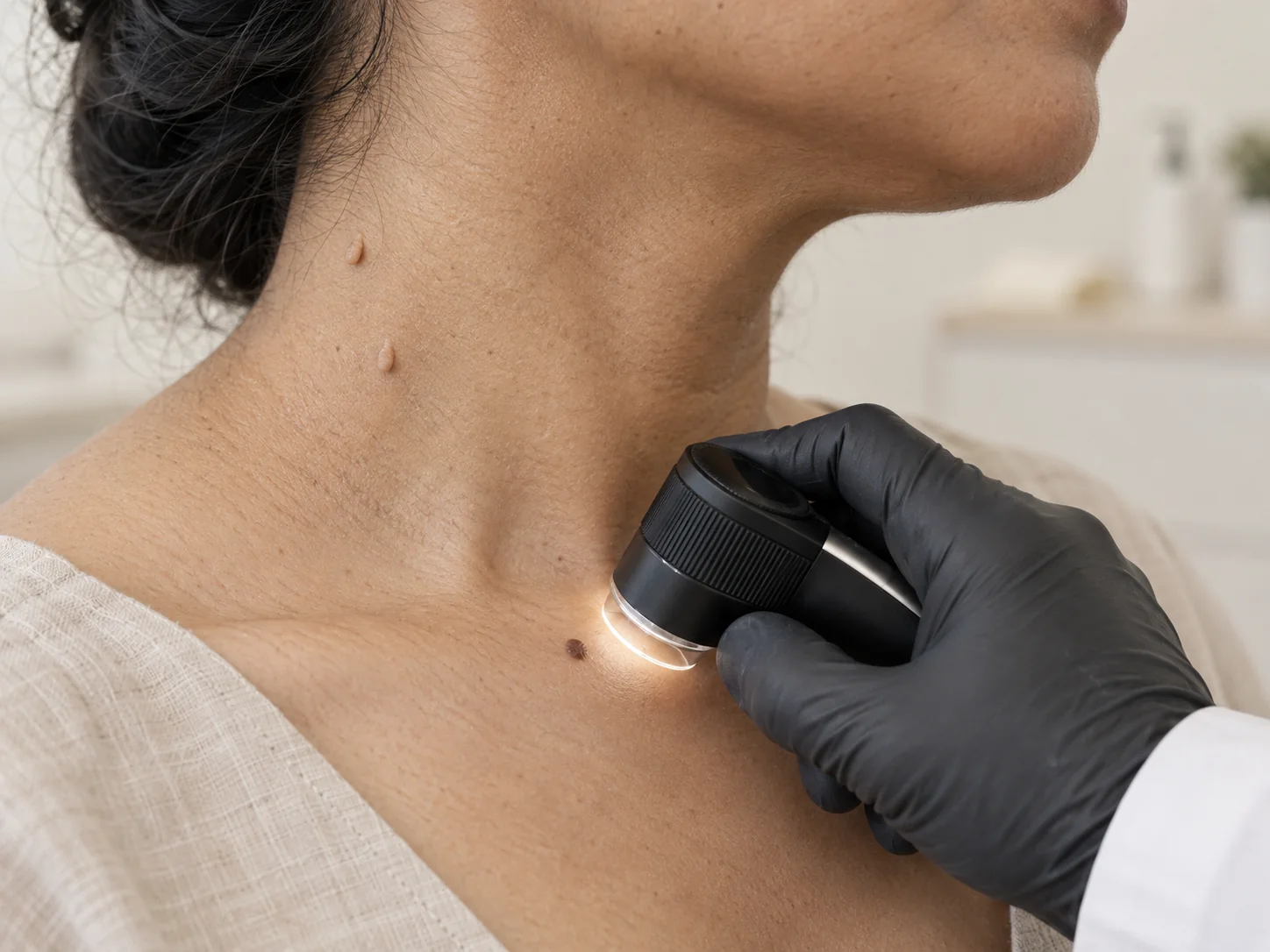
Wart, Mole & Skin Tag Removal
Assessment first, then the safest removal method.
Learn more →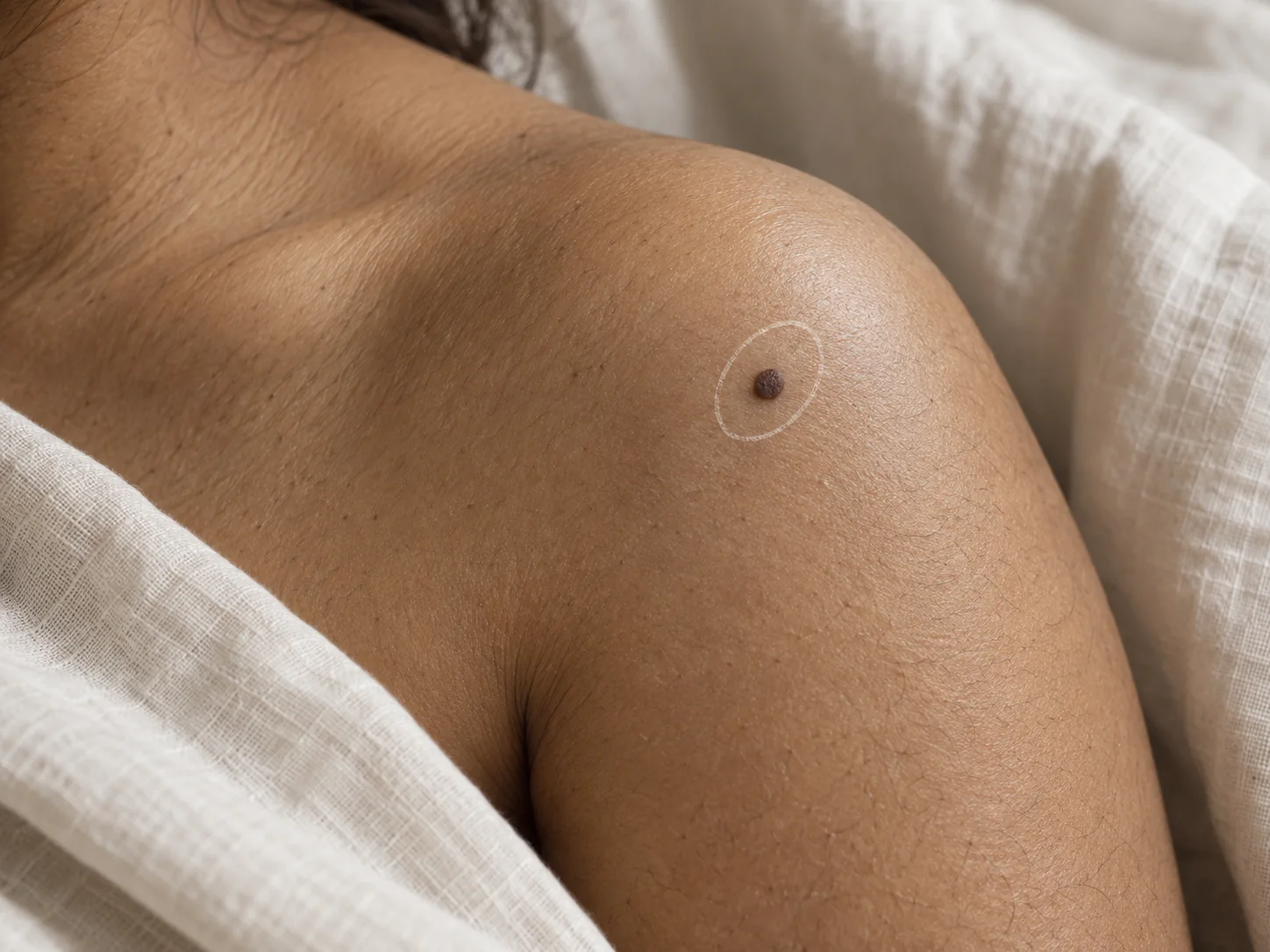
Mole Excision Surgery
Surgical removal after proper examination of the mole.
Learn more →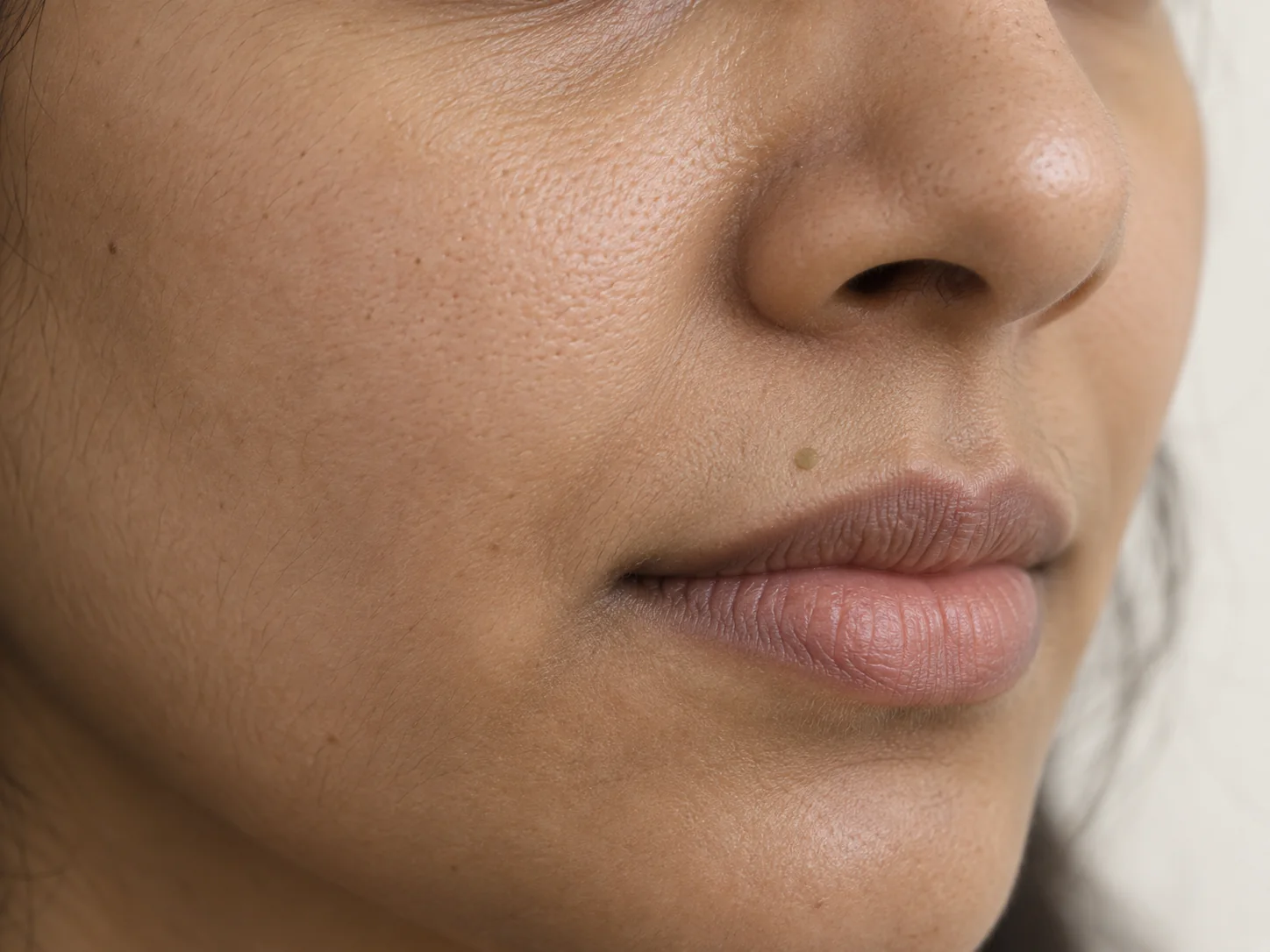
Beauty Spot Creation
A small, deliberate cosmetic mark, placed precisely.
Learn more →
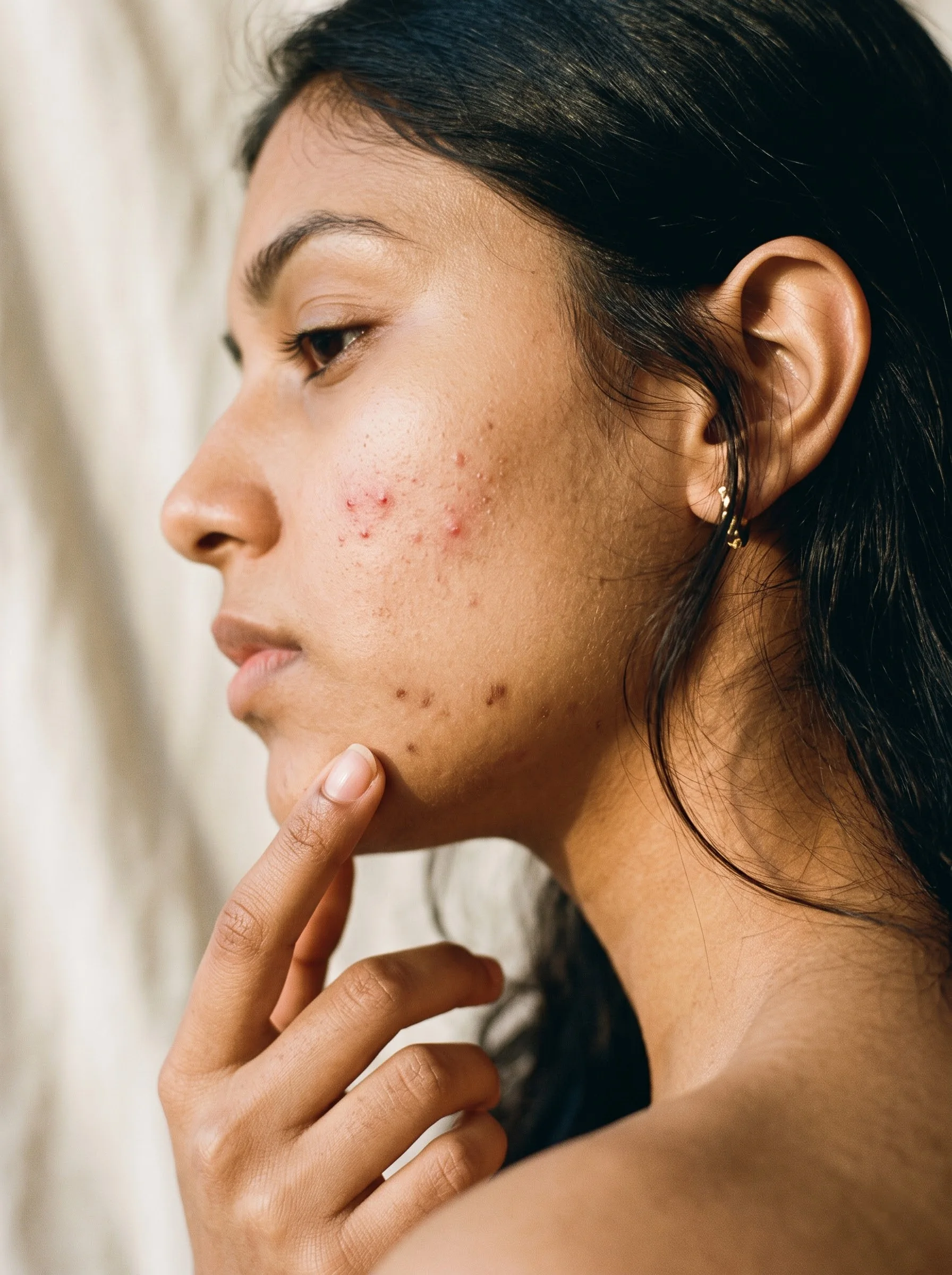
Medical Acne Treatment
A structured medical plan for active acne and marks.
Learn more →
Your treatment journey
From first consultation to review
A structured pathway, so you know what happens at every visit.
Your dermatologists
Assessed and supervised by a dermatologist.

Dr. Ankita Shah
MD (Dermatology, Venereology & Leprosy)

Dr. Shanvi Jadhav
MBBS, MD (Dermatology, Venereology & Leprosy)

Dr. Rohan Doshi
MBBS, MD (Dermatology, Venereology & Leprosy)
Every plan at Own Skin begins with a dermatologist's assessment of your skin, history and goals, the treatment, settings and session spacing are decided from that, not from a menu.
Questions
Frequently asked questions
Related concerns
Get warts, moles & skin tags assessed by a dermatologist in Camp, Pune.
- Clinic
- Camp, Pune
- Timings
- Monday to Sunday · 11:00 AM – 07:00 PM
- Directions
- Get directions
Medically reviewed by Dr Ankita Shah, Lead Dermatologist · Last reviewed 10 March 2026. This page is general information, not a diagnosis or a recommendation. Suitability, session counts and outcomes vary between individuals and are confirmed only after clinical assessment.