
Concern · Keloids & Raised Scars
Dermatologist-Led Keloid Treatment
Safe and personalised treatment for keloid scars under dermatological care.
Own Skin Dermatology & Advanced Aesthetics · Camp, Pune
- Diagnosis before treatment, always
- Plans built for Indian skin and hair types
- Camp, Pune · 11:00 AM – 07:00 PM
Understanding the concern
What is a keloid?
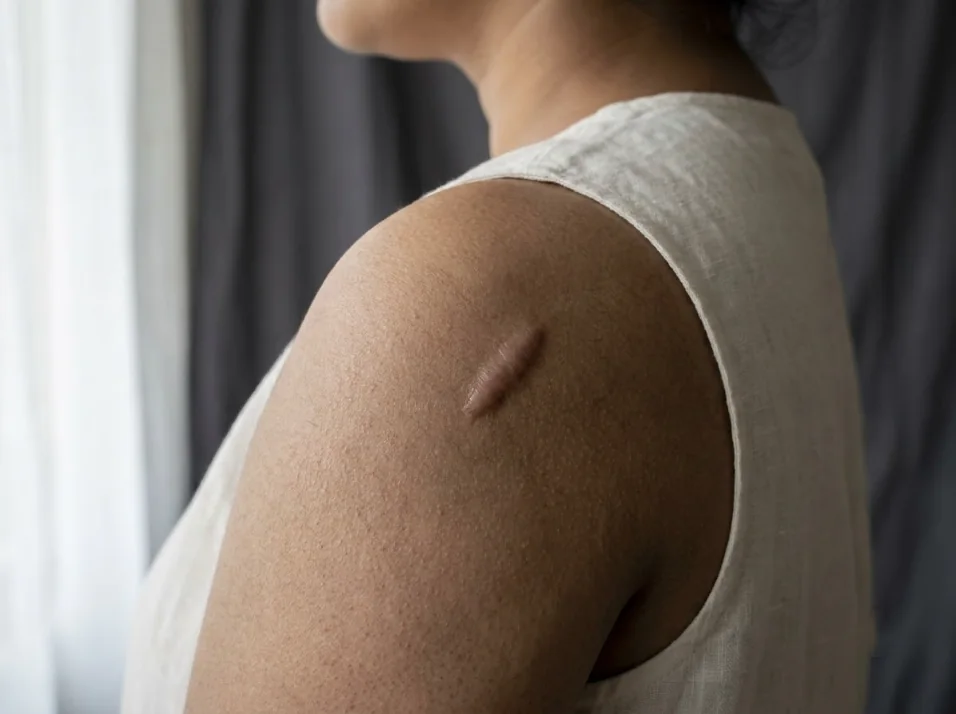
A keloid is a type of raised scar that develops when the skin produces excess scar tissue during healing. Unlike normal scars that gradually flatten, keloids may continue to grow beyond the boundaries of the original injury. They appear as firm, raised growths and vary in colour from pink to dark brown depending on skin type.
Keloids can develop after cuts or wounds, surgical scars, acne, burns, piercings or insect bites, and commonly occur on the earlobes, chest, shoulders, upper back and jawline.
While keloids are not harmful, they may cause itching, discomfort or cosmetic concern. Because they tend to recur or grow gradually, dermatological evaluation helps determine the most appropriate management.
Possible causes
Causes of keloids & raised scars
Keloids develop when the skin produces excess collagen during healing. Contributing factors include:
Individuals with a family history of keloid scarring may be more prone. A dermatologist can confirm whether a raised scar is a keloid and recommend treatment.
- 01Genetic predisposition to abnormal scar formation
- 02Skin injuries such as cuts, burns or surgical wounds
- 03Piercings or tattoos
- 04Severe acne or inflamed skin lesions
- 05Insect bites or minor trauma
- 06Increased tension on healing skin
Types
Types of keloids
- 01
Earlobe keloids
Commonly develop after ear piercing or trauma; firm, rounded growths around the piercing site.
- 02
Chest keloids
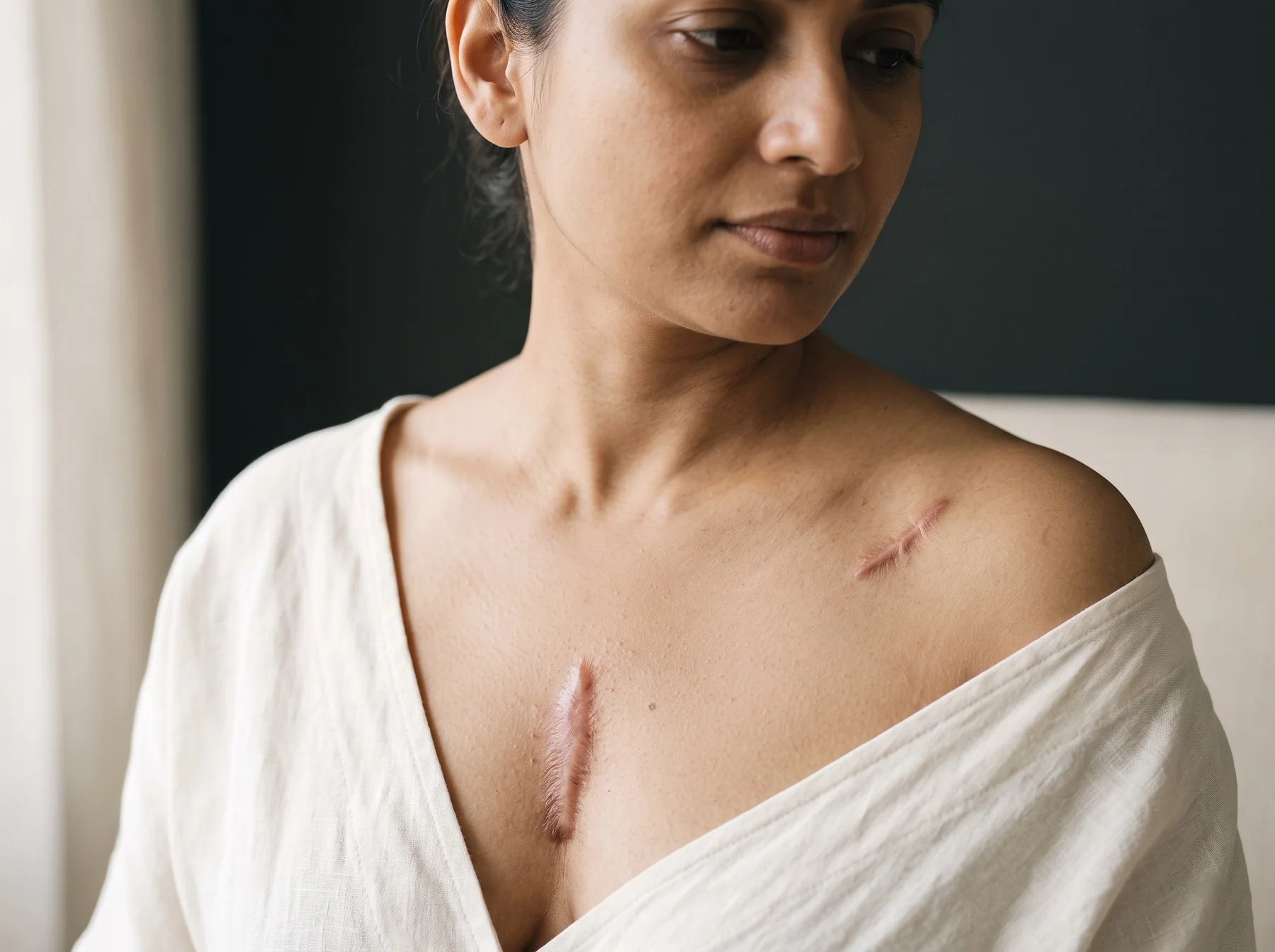
May develop after acne, minor injuries or surgical procedures; raised, thickened scars.
- 03
Shoulder and upper back keloids
These areas are more prone to keloid formation due to skin tension and healing responses after acne, cuts or burns.
- 04
Post-surgical keloids
May form along surgical incision lines when the skin produces excess scar tissue.
- 05
Acne-related keloids
Severe or inflamed acne lesions may lead to keloid scarring, particularly on the chest, shoulders or jawline.
Treatment options
Solutions at Own Skin
Dermatologist-led solutions tailored to your skin type, concern severity and underlying causes.
At Own Skin, every treatment plan is personalised after a detailed skin analysis to ensure safety and long-term results.
- Steroid injections
- Laser therapy
- Cryotherapy
- Scar management treatments
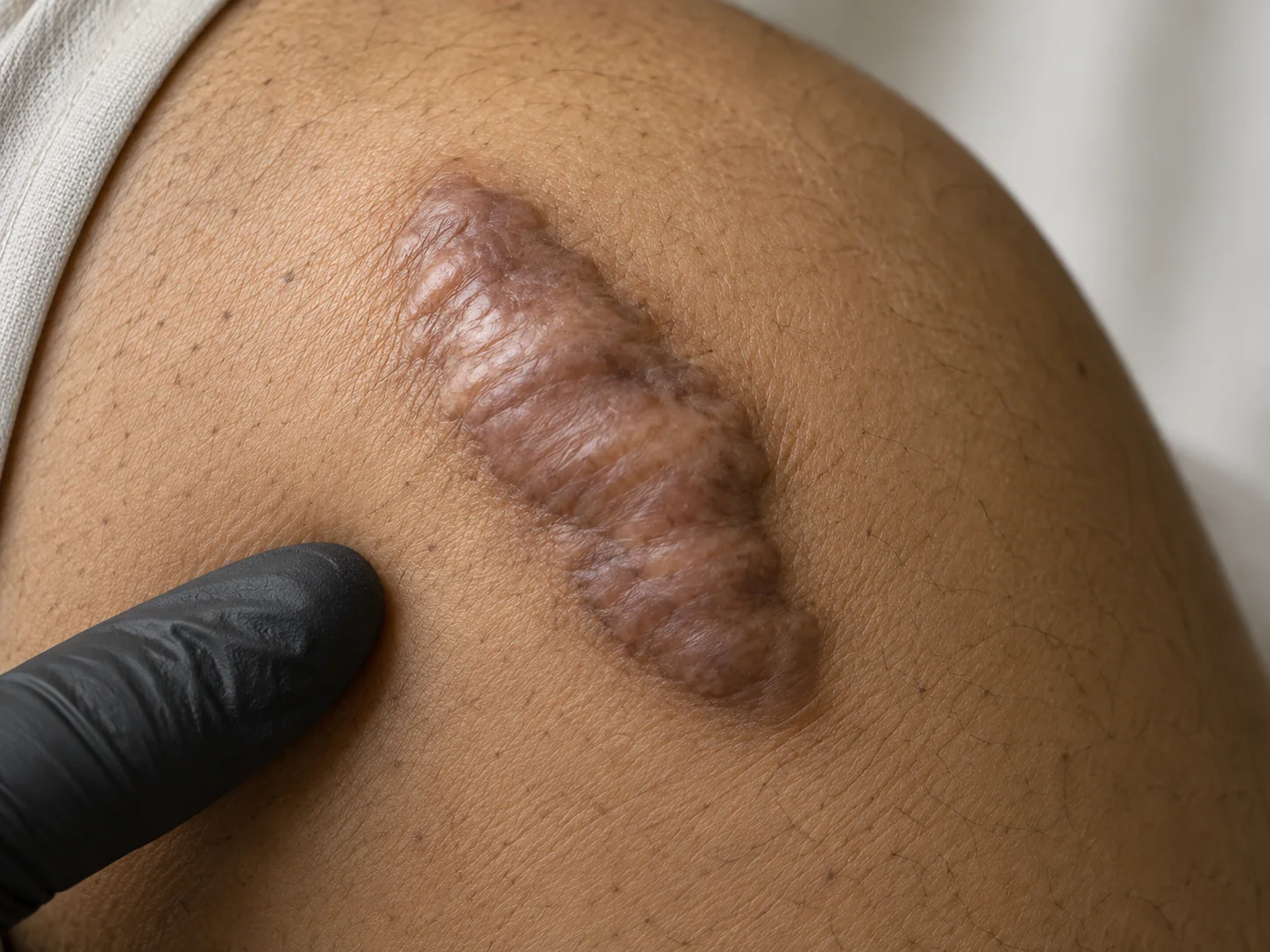
Intra-Lesional Injections
Targeted treatment delivered directly into a lesion.
Learn more →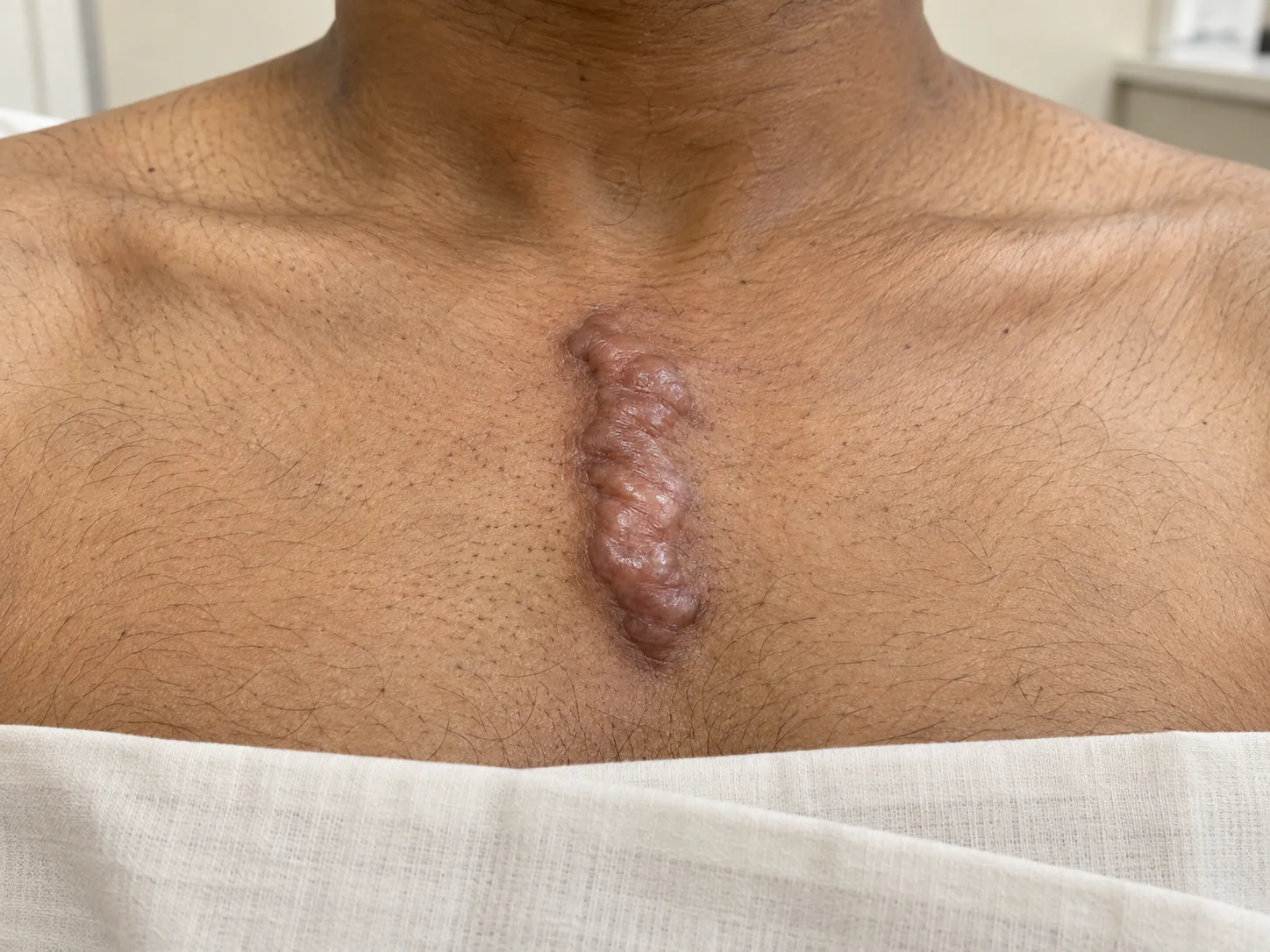
Keloid Surgery
Surgery combined with recurrence-prevention measures.
Learn more →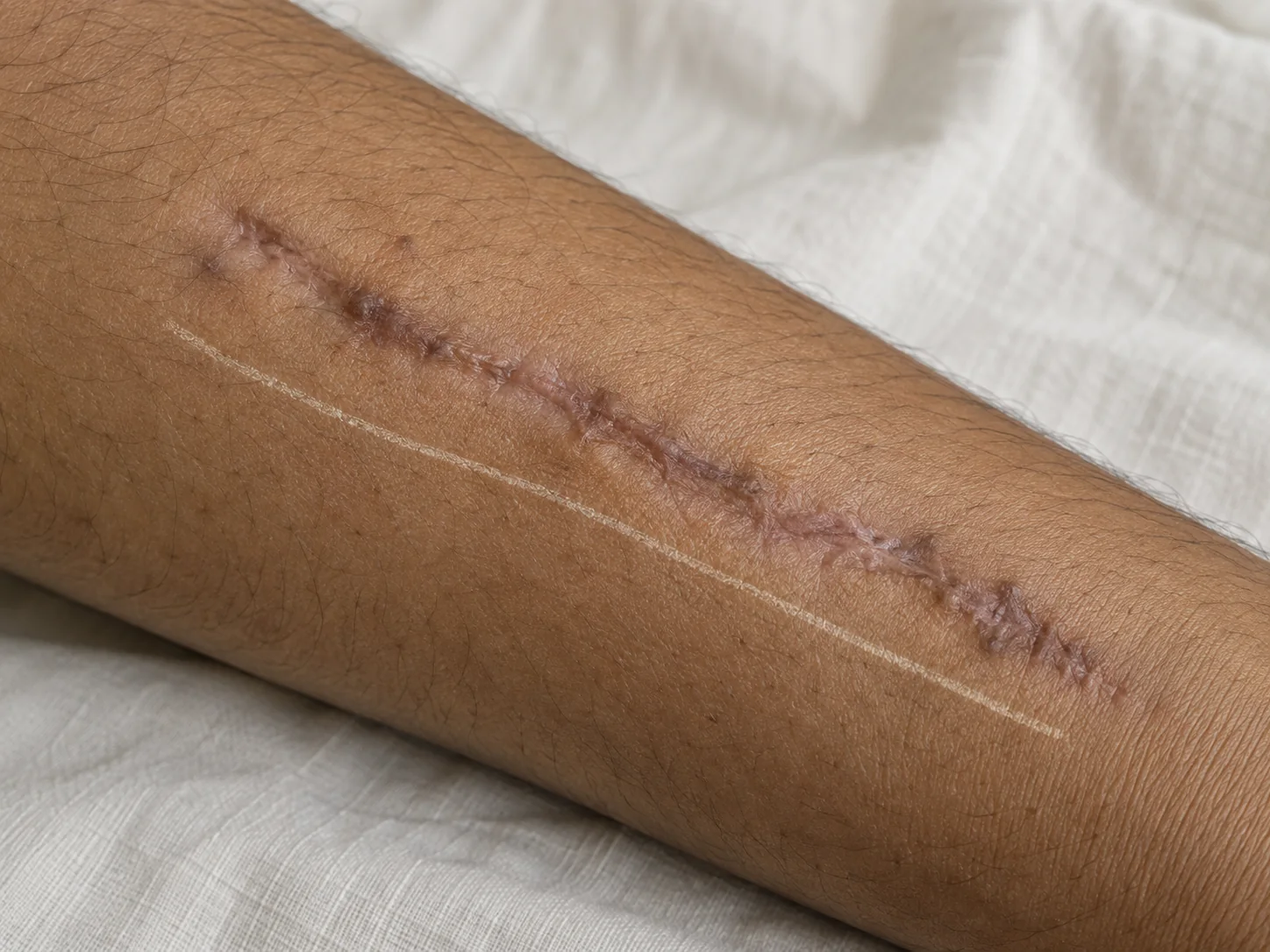
Scar Revision
Surgical reshaping of a scar for a better final line.
Learn more →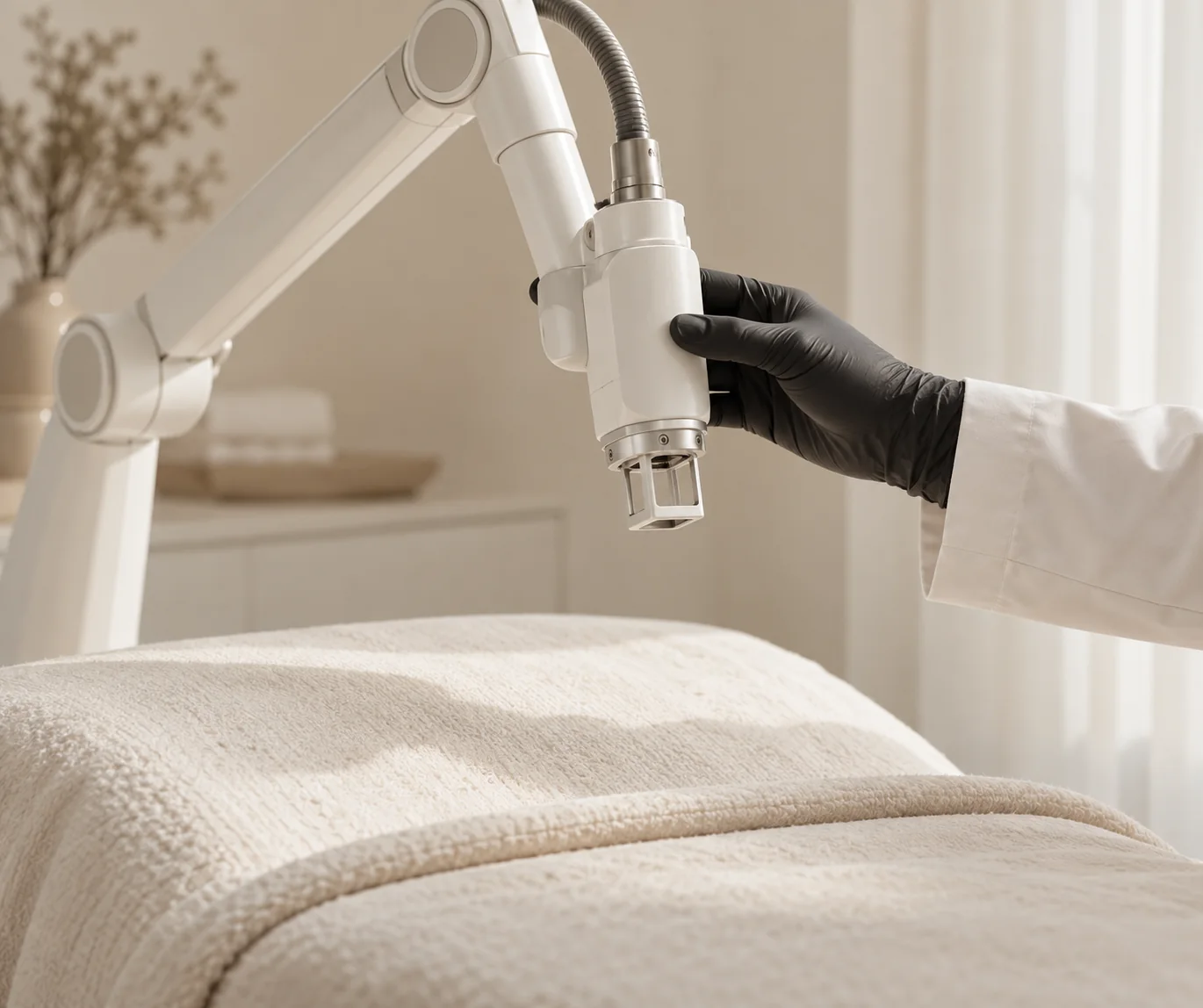
Fractional CO₂ Laser Resurfacing
Fractionated resurfacing for scars and texture.
Learn more →
Your treatment journey
From first consultation to review
A structured pathway, so you know what happens at every visit.
Your dermatologists
Assessed and supervised by a dermatologist.

Dr. Ankita Shah
MD (Dermatology, Venereology & Leprosy)
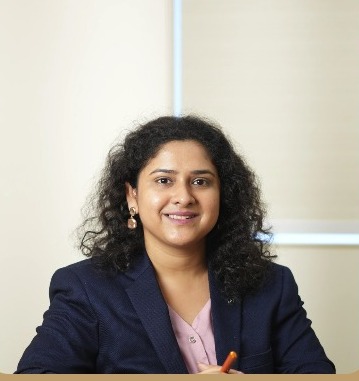
Dr. Shanvi Jadhav
MBBS, MD (Dermatology, Venereology & Leprosy)

Dr. Rohan Doshi
MBBS, MD (Dermatology, Venereology & Leprosy)
Every plan at Own Skin begins with a dermatologist's assessment of your skin, history and goals, the treatment, settings and session spacing are decided from that, not from a menu.
Questions
Frequently asked questions
Related concerns
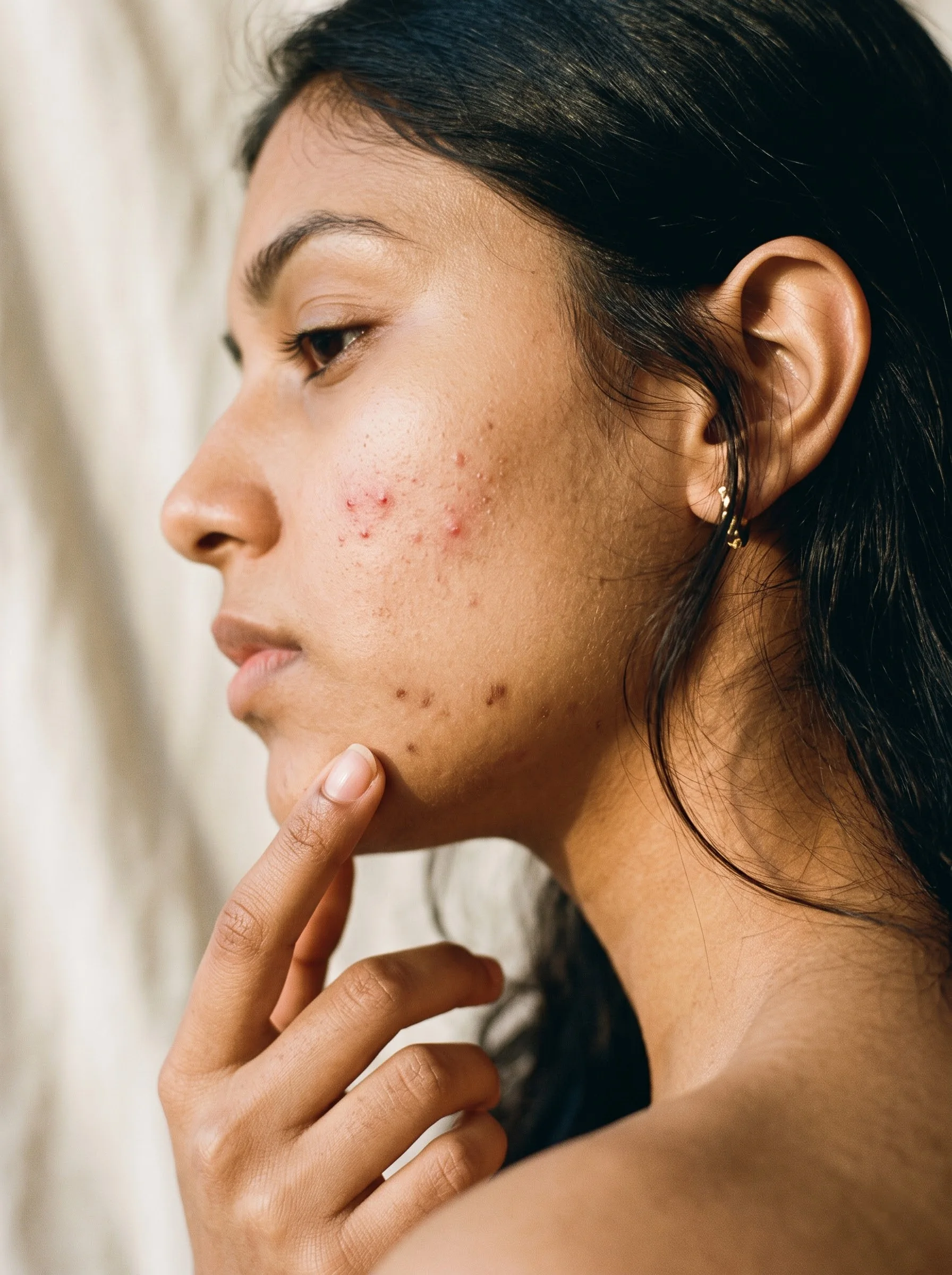
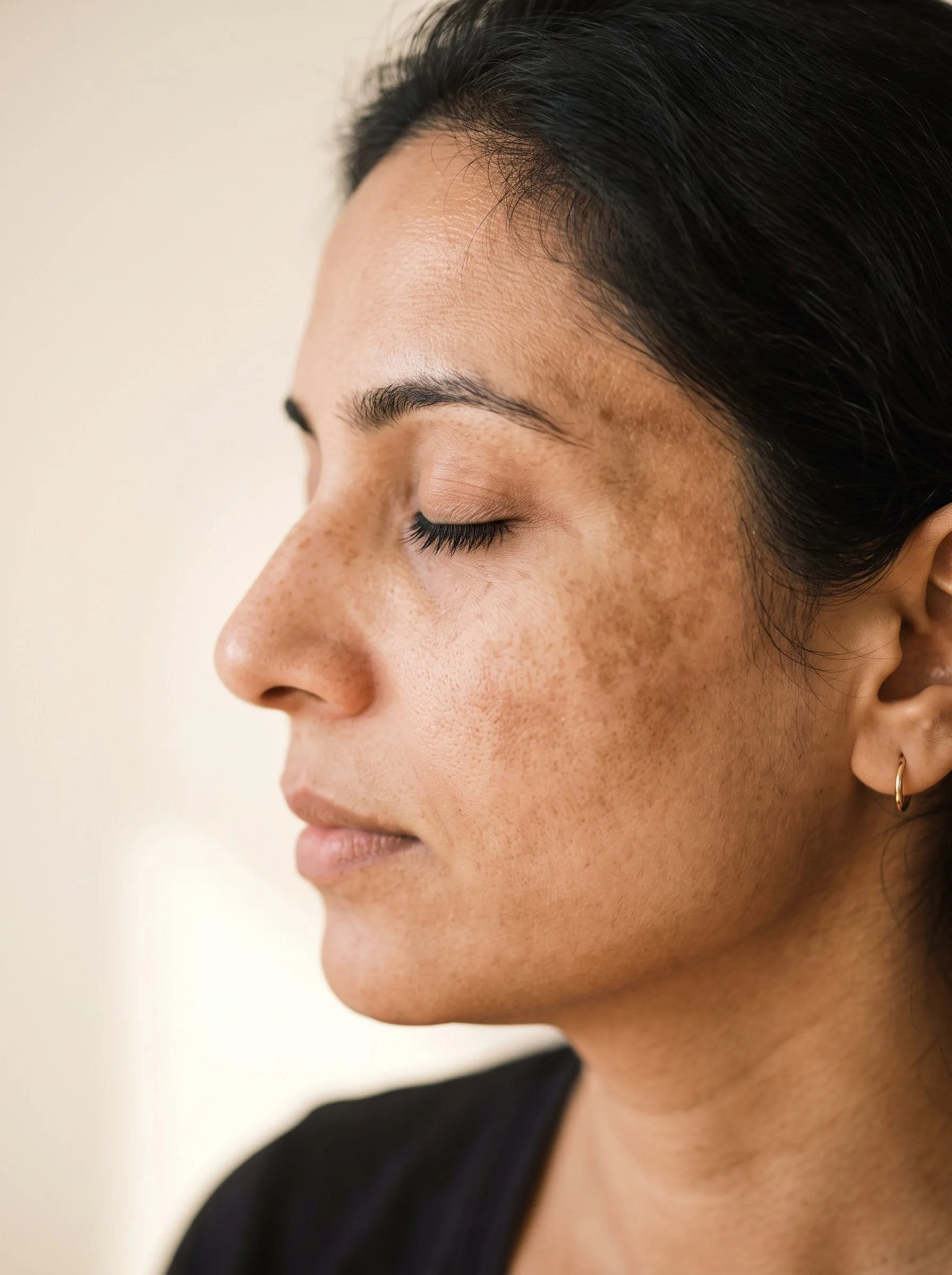
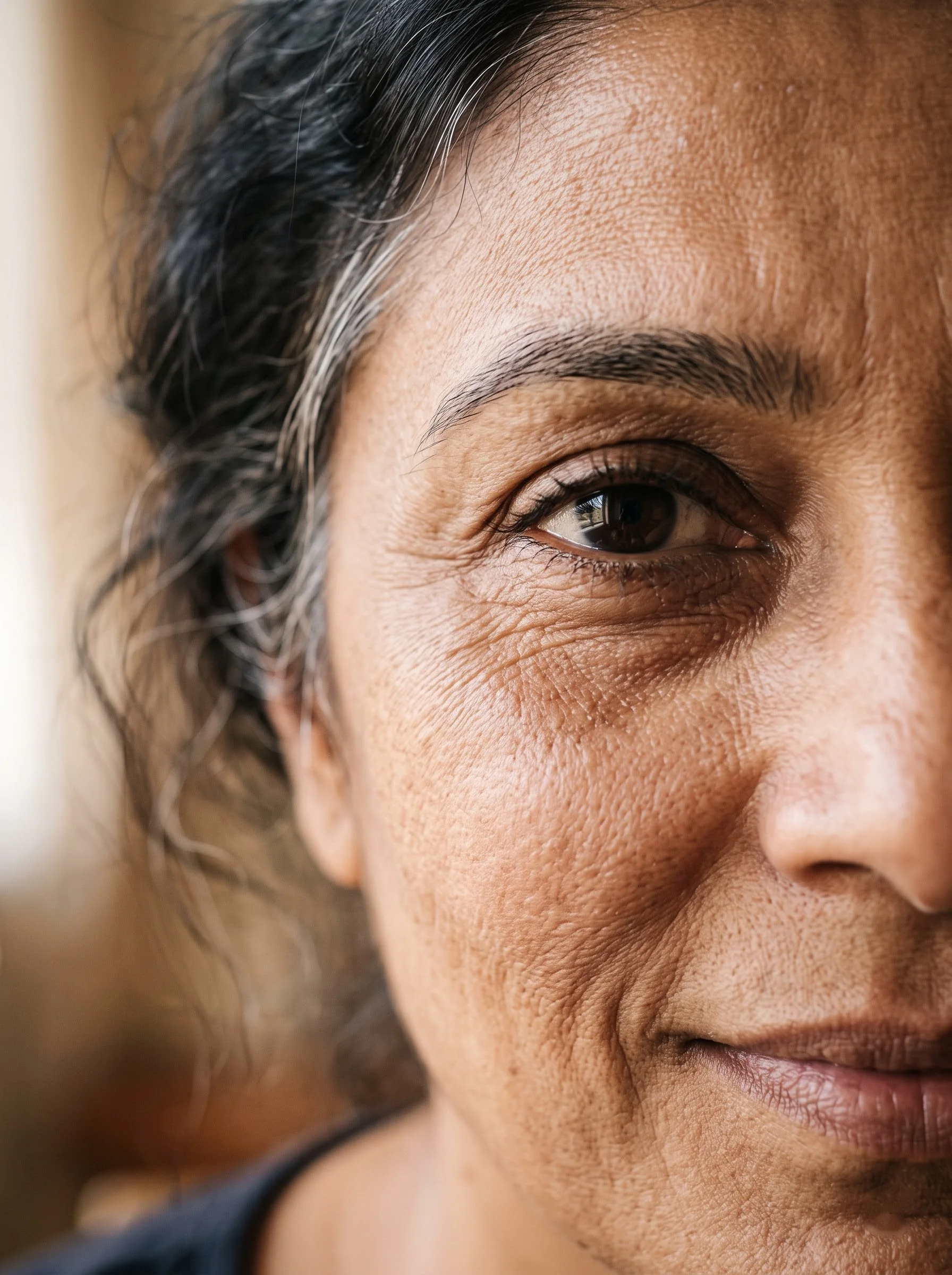
Get keloids & raised scars assessed by a dermatologist in Camp, Pune.
- Clinic
- Camp, Pune
- Timings
- Monday to Sunday · 11:00 AM – 07:00 PM
- Directions
- Get directions
Medically reviewed by Dr Ankita Shah, Lead Dermatologist · Last reviewed 12 March 2026. This page is general information, not a diagnosis or a recommendation. Suitability, session counts and outcomes vary between individuals and are confirmed only after clinical assessment.